Buy binks.eu ?
We are moving the project
binks.eu .
Are you interested in purchasing the domain
binks.eu ?
domain@kv-gmbh.de · 0541-91531010
Buy binks.eu ?
What is air resistance?
Air resistance, also known as drag, is the force that opposes the motion of an object through the air. When an object moves through the air, the air molecules push against the object, creating a resistance force that slows down the object's motion. The amount of air resistance depends on the speed and size of the object, as well as the density of the air. Air resistance is an important factor to consider in various activities such as driving, cycling, and skydiving, as it can affect the speed and efficiency of the object's motion. **
How is air resistance calculated?
Air resistance is calculated using the drag equation, which takes into account the air density, the velocity of the object, the reference area of the object, and the drag coefficient. The drag coefficient is a dimensionless quantity that depends on the shape and surface properties of the object. By plugging these values into the drag equation, one can calculate the force of air resistance acting on the object. **


Similar search terms for Air resistance
Top-Angebote
Products related to Air resistance:
-
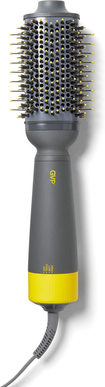
GVP Generic Value Products Hot Air Brush Compare to Drybar The Double Shot Hot Air BrushAchieve the salon blow out with mega volume and intense shine. 2.5 oval shaped brush with nylon and tufted soft bristles allows for perfect tension and control.59,99 $*Shipping: 0,00 $Secure redirect to the provider
-
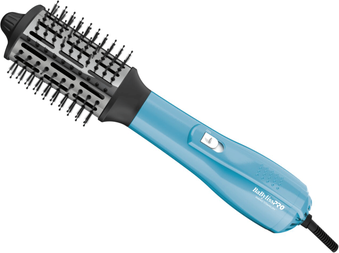
"""BaBylissPRO 2.5"" Oval Ionic Hot Air Brush"""The versatile Nano Titanium Oval Ionic Hot Air Brush delivers highly efficient heat transfer with Nano Titanium technology, instantly smoothing and shining your hair.Perfect for achieving a salon-quality blowout at home, this hot air brush lets you...109,99 $*Shipping: 0,00 $Secure redirect to the provider


-
Does light have air resistance?
No, light does not have air resistance. Air resistance is the force that opposes the motion of objects as they move through the air, and it is caused by the collisions between the object and air molecules. Light, on the other hand, is made up of massless particles called photons, and it does not experience air resistance as it travels through the air or any other medium. **
-
What does no air resistance mean?
No air resistance means that there is no force opposing the motion of an object through the air. In a scenario with no air resistance, an object will continue to move at a constant velocity without slowing down due to air resistance. This allows for more accurate predictions of the object's motion and trajectory in the absence of air resistance. **
-
How do you calculate air resistance?
Air resistance, also known as drag, can be calculated using the formula: F = 0.5 * ρ * A * Cd * v^2 Where F is the force of air resistance, ρ is the air density, A is the cross-sectional area of the object, Cd is the drag coefficient, and v is the velocity of the object. This formula takes into account the factors that affect air resistance, such as the density of the air, the size and shape of the object, and the speed at which it is moving. By plugging in the values for these variables, you can calculate the force of air resistance acting on an object. **
-
How does air resistance affect a car?
Air resistance, also known as drag, affects a car by creating a force that opposes its motion. As a car moves forward, it has to push through the air, which creates resistance and slows it down. This resistance increases with the speed of the car, meaning that the faster the car goes, the more energy it needs to overcome the drag. To minimize the impact of air resistance, car manufacturers design vehicles with aerodynamic shapes and features to help reduce drag and improve fuel efficiency. **

What air resistance does a marshmallow have?
A marshmallow has very low air resistance due to its light weight and soft, fluffy texture. When falling through the air, the marshmallow's shape and composition allow it to easily move through the air without much resistance. This is why marshmallows fall slowly compared to denser objects, as they are not affected as much by air resistance. **
How does air resistance depend on speed?
Air resistance depends on speed because as an object moves faster through the air, it encounters more air molecules per unit of time, resulting in a greater force of air resistance. This force increases with the square of the object's speed, meaning that doubling the speed will result in four times the air resistance. Therefore, the faster an object moves, the greater the air resistance it will experience. **
Top-Angebote
Products related to Air resistance:
-
The Air-brush - Bronzing Brush Charlotte Tilbury 352 The Air-brush Size:Darlings, my NEW! REVOLUTIONARY, Kabuki-style retractable bronzer brush is the ULTIMATE beauty tool! This fine-art inspired bronzing brush has been hand-crafted to glide over your skin for an airbrushed, sun-kissed, SMOOTH-looking finish on the go! Specially designed to work with my NEW! Airbrush Bronzer, The Air Brush gives you the most seamless, flawless-looking, AIRBRUSHED APPLICATION in SECONDS!36,00 £*Shipping: 2,95 £Secure redirect to the provider
-
GVP Generic Value Products Hot Air Brush Compare to Drybar The Double Shot Hot Air BrushAchieve the salon blow out with mega volume and intense shine. 2.5 oval shaped brush with nylon and tufted soft bristles allows for perfect tension and control.59,99 $*Shipping: 0,00 $Secure redirect to the provider
-
What is air resistance?
Air resistance, also known as drag, is the force that opposes the motion of an object through the air. When an object moves through the air, the air molecules push against the object, creating a resistance force that slows down the object's motion. The amount of air resistance depends on the speed and size of the object, as well as the density of the air. Air resistance is an important factor to consider in various activities such as driving, cycling, and skydiving, as it can affect the speed and efficiency of the object's motion. **
-
How is air resistance calculated?
Air resistance is calculated using the drag equation, which takes into account the air density, the velocity of the object, the reference area of the object, and the drag coefficient. The drag coefficient is a dimensionless quantity that depends on the shape and surface properties of the object. By plugging these values into the drag equation, one can calculate the force of air resistance acting on the object. **
-
Does light have air resistance?
No, light does not have air resistance. Air resistance is the force that opposes the motion of objects as they move through the air, and it is caused by the collisions between the object and air molecules. Light, on the other hand, is made up of massless particles called photons, and it does not experience air resistance as it travels through the air or any other medium. **
-
What does no air resistance mean?
No air resistance means that there is no force opposing the motion of an object through the air. In a scenario with no air resistance, an object will continue to move at a constant velocity without slowing down due to air resistance. This allows for more accurate predictions of the object's motion and trajectory in the absence of air resistance. **
Similar search terms for Air resistance
-
"""BaBylissPRO 2.5"" Oval Ionic Hot Air Brush"""The versatile Nano Titanium Oval Ionic Hot Air Brush delivers highly efficient heat transfer with Nano Titanium technology, instantly smoothing and shining your hair.Perfect for achieving a salon-quality blowout at home, this hot air brush lets you...109,99 $*Shipping: 0,00 $Secure redirect to the provider
-
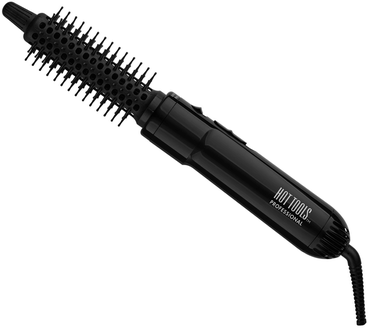
HOT TOOLS Hot Air Brush 1 InchThe Hot Tools® Professional 1” Hot Air Brush is a versatile tool with a multi-vent barrel and multiple heat settings to create gorgeous, full-bodied curls on a variety of hair types. The unique barrel is outfitted with flexible, ball-tipped bristles...49,99 $*Shipping: 0,00 $Secure redirect to the provider
-
Sigma Beauty F53 Air Contour/Blush BrushA duo-fibre super-soft brush, Sigma's contour/blush brush allows you apply bronzer and blusher every day with an even coverage. With a slightly angled brush head for definition and contouring, this feathery fibre brush seamlessly applies colour to your face for a beautiful, healthy-looking glow.. Vegan and cruelty-free26,00 £*Shipping: 0,00 £Secure redirect to the provider
-
How do you calculate air resistance?
Air resistance, also known as drag, can be calculated using the formula: F = 0.5 * ρ * A * Cd * v^2 Where F is the force of air resistance, ρ is the air density, A is the cross-sectional area of the object, Cd is the drag coefficient, and v is the velocity of the object. This formula takes into account the factors that affect air resistance, such as the density of the air, the size and shape of the object, and the speed at which it is moving. By plugging in the values for these variables, you can calculate the force of air resistance acting on an object. **
-
How does air resistance affect a car?
Air resistance, also known as drag, affects a car by creating a force that opposes its motion. As a car moves forward, it has to push through the air, which creates resistance and slows it down. This resistance increases with the speed of the car, meaning that the faster the car goes, the more energy it needs to overcome the drag. To minimize the impact of air resistance, car manufacturers design vehicles with aerodynamic shapes and features to help reduce drag and improve fuel efficiency. **
-
What air resistance does a marshmallow have?
A marshmallow has very low air resistance due to its light weight and soft, fluffy texture. When falling through the air, the marshmallow's shape and composition allow it to easily move through the air without much resistance. This is why marshmallows fall slowly compared to denser objects, as they are not affected as much by air resistance. **
-
How does air resistance depend on speed?
Air resistance depends on speed because as an object moves faster through the air, it encounters more air molecules per unit of time, resulting in a greater force of air resistance. This force increases with the square of the object's speed, meaning that doubling the speed will result in four times the air resistance. Therefore, the faster an object moves, the greater the air resistance it will experience. **
* All prices are inclusive of VAT and, if applicable, plus shipping costs. The offer information is based on the details provided by the respective shop and is updated through automated processes. Real-time updates do not occur, so deviations can occur in individual cases. ** Note: Parts of this content were created by AI.