Buy binks.eu ?
We are moving the project
binks.eu .
Are you interested in purchasing the domain
binks.eu ?
domain@kv-gmbh.de · 0541-91531010
Buy binks.eu ?
How can you stretch a canvas?
To stretch a canvas, start by laying the canvas flat on a clean surface. Then, place the wooden stretcher bars on each side of the canvas, making sure they are the correct size for the canvas. Next, fold the edges of the canvas over the stretcher bars and use a staple gun to secure the canvas in place. Make sure to stretch the canvas evenly and tightly to avoid any wrinkles or sagging. Finally, trim any excess canvas and your canvas is ready to be painted on. **
How can one stretch a canvas?
Stretching a canvas involves securing a piece of canvas fabric onto a wooden frame to create a taut surface for painting. To stretch a canvas, start by laying the canvas fabric face down on a clean surface. Then, place the wooden frame on top of the fabric and fold the edges of the canvas over the frame. Use a staple gun to secure the canvas to the frame, starting in the middle of each side and working your way out towards the corners. Make sure to pull the canvas tight as you staple to ensure a smooth and even surface. **

Similar search terms for Re-stretch
Top-Angebote
Products related to Re-stretch:



-
Can you stretch a canvas on an already stretched canvas frame?
Yes, it is possible to stretch a canvas on an already stretched canvas frame. This process is known as re-stretching and involves removing the existing canvas from the frame and replacing it with a new canvas. It is a common practice for artists who want to reuse a frame for a new artwork or for conservators who need to replace a damaged canvas. However, it is important to ensure that the frame is in good condition and suitable for re-stretching before attempting this process. **
-
How can I re-plaster and paint the wall?
To re-plaster and paint a wall, you will first need to remove any loose or damaged plaster using a scraper or putty knife. Next, apply a new layer of plaster to the wall, smoothing it out with a trowel and allowing it to dry completely. Once the plaster is dry, sand it down to create a smooth surface for painting. Finally, apply a primer to the wall and then paint it with your desired color using a roller or brush. Allow the paint to dry completely before applying a second coat if needed. **
-
Is that stretch?
Yes, that is a stretch. **
-
What is stretch?
Stretch refers to the act of extending or lengthening a muscle or group of muscles to improve flexibility and range of motion. It can also help to reduce muscle tension and soreness, improve circulation, and prevent injury. Stretching can be done through various techniques such as static stretching, dynamic stretching, and proprioceptive neuromuscular facilitation (PNF) stretching. It is an important component of any fitness or exercise routine to maintain overall physical health and well-being. **

What is the difference between stretch and super stretch needles?
Stretch needles are designed for use with stretchy fabrics like knits and jersey, as they have a medium ballpoint tip that helps prevent skipped stitches and fabric damage. Super stretch needles, on the other hand, are specifically designed for highly elastic fabrics like Lycra and Spandex. They have a more pronounced ballpoint tip and a specially designed eye to accommodate the unique properties of these fabrics, allowing for smoother and more precise stitching. **
What is the difference between stretch and super-stretch needles?
Stretch needles are designed for use with stretchy fabrics like spandex and jersey, as they have a medium ballpoint tip that helps prevent skipped stitches and fabric damage. Super-stretch needles, on the other hand, are specifically designed for highly elastic fabrics like Lycra and other performance fabrics. They have a more pronounced ballpoint tip and a specially designed eye to accommodate the unique properties of these super-stretchy materials. Overall, super-stretch needles are more specialized and are best suited for extremely stretchy fabrics, while stretch needles are more versatile for a range of stretch fabrics. **
Top-Angebote
Products related to Re-stretch:
-
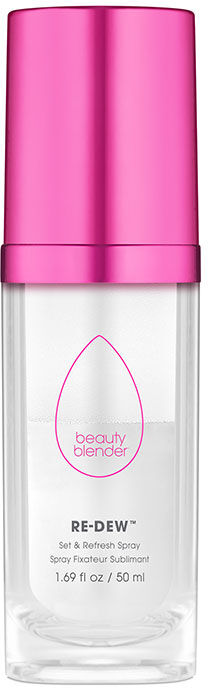
beautyblender Re-DewSpitz your face with beautyblender Re-Dew, this ultra fine adds luminosity and refreshes your make up throughout the day. This do-it-all mist provides cooling and thirst-quenching properties, to revive dull, tired skin without any caking or smudging of makeup. Hyaluronic acid and white birch extract hydrate and protect the skin whilst providing intense hydration. The result? A dewy and radiant complexion. Can also be used on your beautyblender for a silky smooth makeup touch up. Ingredients Water/Aqua/Eau, Dimethicone, C12-15 Alkyl Benzoate, Butylene Glycol, Glycerin, PVP, Coco-Caprylate/Caprate, Hydrolyzed Silk, Betula Alba Bark Extract, Hydrolyzed Hyaluronic Acid, Tocopherol, Lactobacillus Ferment Lysate, Leuconostoc/Radish Root Ferment Filtrate, Bis-Diglyceryl Polyacyladipate-2, Ethylhexylglycerin, PEG-10 Dimethicone, Poloxamer 407, Sodium Hydroxide, Phenoxyethanol, Sodium Benzoate22,05 £*Shipping: 2,95 £Secure redirect to the provider
-
How can you stretch a canvas?
To stretch a canvas, start by laying the canvas flat on a clean surface. Then, place the wooden stretcher bars on each side of the canvas, making sure they are the correct size for the canvas. Next, fold the edges of the canvas over the stretcher bars and use a staple gun to secure the canvas in place. Make sure to stretch the canvas evenly and tightly to avoid any wrinkles or sagging. Finally, trim any excess canvas and your canvas is ready to be painted on. **
-
How can one stretch a canvas?
Stretching a canvas involves securing a piece of canvas fabric onto a wooden frame to create a taut surface for painting. To stretch a canvas, start by laying the canvas fabric face down on a clean surface. Then, place the wooden frame on top of the fabric and fold the edges of the canvas over the frame. Use a staple gun to secure the canvas to the frame, starting in the middle of each side and working your way out towards the corners. Make sure to pull the canvas tight as you staple to ensure a smooth and even surface. **
-
Can you stretch a canvas on an already stretched canvas frame?
Yes, it is possible to stretch a canvas on an already stretched canvas frame. This process is known as re-stretching and involves removing the existing canvas from the frame and replacing it with a new canvas. It is a common practice for artists who want to reuse a frame for a new artwork or for conservators who need to replace a damaged canvas. However, it is important to ensure that the frame is in good condition and suitable for re-stretching before attempting this process. **
-
How can I re-plaster and paint the wall?
To re-plaster and paint a wall, you will first need to remove any loose or damaged plaster using a scraper or putty knife. Next, apply a new layer of plaster to the wall, smoothing it out with a trowel and allowing it to dry completely. Once the plaster is dry, sand it down to create a smooth surface for painting. Finally, apply a primer to the wall and then paint it with your desired color using a roller or brush. Allow the paint to dry completely before applying a second coat if needed. **
Similar search terms for Re-stretch
-
Is that stretch?
Yes, that is a stretch. **
-
What is stretch?
Stretch refers to the act of extending or lengthening a muscle or group of muscles to improve flexibility and range of motion. It can also help to reduce muscle tension and soreness, improve circulation, and prevent injury. Stretching can be done through various techniques such as static stretching, dynamic stretching, and proprioceptive neuromuscular facilitation (PNF) stretching. It is an important component of any fitness or exercise routine to maintain overall physical health and well-being. **
-
What is the difference between stretch and super stretch needles?
Stretch needles are designed for use with stretchy fabrics like knits and jersey, as they have a medium ballpoint tip that helps prevent skipped stitches and fabric damage. Super stretch needles, on the other hand, are specifically designed for highly elastic fabrics like Lycra and Spandex. They have a more pronounced ballpoint tip and a specially designed eye to accommodate the unique properties of these fabrics, allowing for smoother and more precise stitching. **
-
What is the difference between stretch and super-stretch needles?
Stretch needles are designed for use with stretchy fabrics like spandex and jersey, as they have a medium ballpoint tip that helps prevent skipped stitches and fabric damage. Super-stretch needles, on the other hand, are specifically designed for highly elastic fabrics like Lycra and other performance fabrics. They have a more pronounced ballpoint tip and a specially designed eye to accommodate the unique properties of these super-stretchy materials. Overall, super-stretch needles are more specialized and are best suited for extremely stretchy fabrics, while stretch needles are more versatile for a range of stretch fabrics. **
* All prices are inclusive of VAT and, if applicable, plus shipping costs. The offer information is based on the details provided by the respective shop and is updated through automated processes. Real-time updates do not occur, so deviations can occur in individual cases. ** Note: Parts of this content were created by AI.