Buy binks.eu ?
We are moving the project
binks.eu .
Are you interested in purchasing the domain
binks.eu ?
domain@kv-gmbh.de · 0541-91531010
Buy binks.eu ?
How do you remove the water-repellent layer on a canvas?
To remove the water-repellent layer on a canvas, you can use a mixture of warm water and mild detergent to gently scrub the surface of the canvas. You can also use a soft-bristled brush to help loosen and remove the water-repellent coating. After cleaning, rinse the canvas thoroughly with clean water and allow it to air dry completely. It's important to test a small, inconspicuous area of the canvas first to ensure that the cleaning process does not damage the fabric. **
How can you tilt a 3-layer panel?
To tilt a 3-layer panel, you can use a panel tilting device or a panel lifting clamp to grip the panel securely and then tilt it to the desired angle. It's important to ensure that the panel is properly supported and that the tilting is done slowly and carefully to avoid any damage or accidents. Additionally, having a team of workers to assist with the tilting process can help ensure that it is done safely and efficiently. **
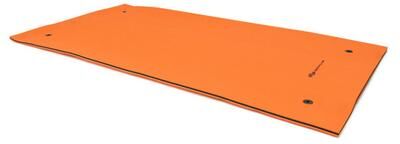
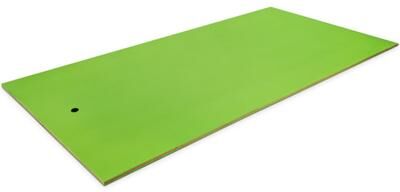
Similar search terms for Costway-3-Layer-Water
Top-Angebote
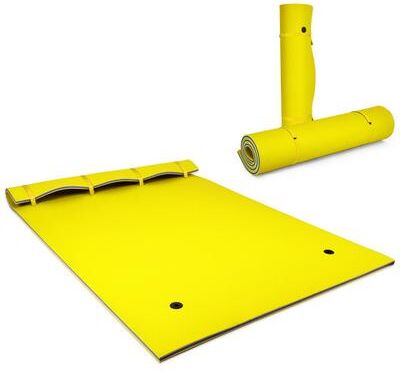
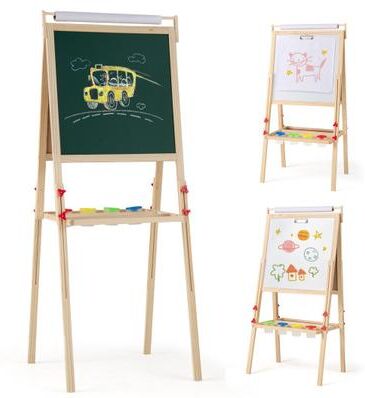
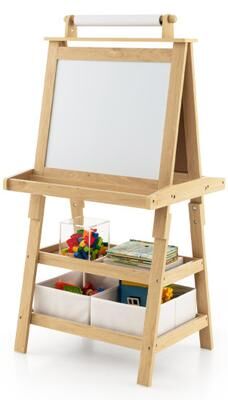
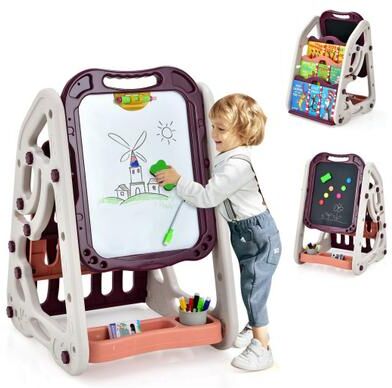
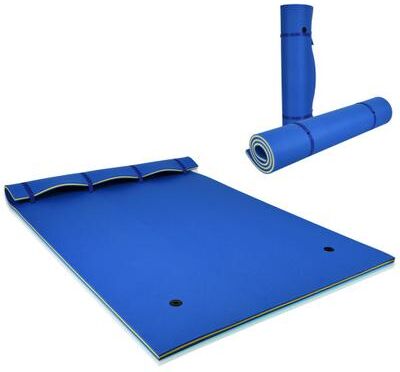
Products related to Costway-3-Layer-Water:
-
What is the oily layer on the aquarium water?
The oily layer on aquarium water is often caused by a buildup of organic compounds like fish waste, uneaten food, or excess nutrients. This layer can prevent oxygen exchange between the water and the air, leading to poor water quality and potentially harming the fish. Regular maintenance such as water changes, proper feeding, and using a surface skimmer can help prevent the formation of this oily layer and maintain a healthy aquatic environment for your fish. **
-
Why does water not evaporate with an oil layer?
Water does not evaporate with an oil layer because the oil acts as a barrier, preventing the water molecules from escaping into the air. The oil forms a layer on the surface of the water, creating a physical barrier that inhibits the evaporation of the water underneath. This is due to the fact that oil and water do not mix, and the oil layer effectively seals the water from the surrounding air, preventing its evaporation. **
-
Why does water not evaporate when covered with an oil layer?
Water does not evaporate when covered with an oil layer because oil forms a barrier on the surface of the water, preventing the water molecules from escaping into the air. This barrier reduces the rate of evaporation by blocking the interaction between water molecules and the surrounding air. As a result, the water remains trapped underneath the oil layer and is unable to evaporate. **
-
What forms as a white layer on top of cold water?
A white layer on top of cold water can form due to the presence of ice. When water reaches a low enough temperature, it freezes and forms a layer of ice on the surface. This layer appears white due to the reflection and scattering of light by the ice crystals. This phenomenon is commonly observed in cold climates or when ice is intentionally formed in a container of water. **

What is the oily layer on the surface of the aquarium water?
The oily layer on the surface of aquarium water is often referred to as a biofilm. This layer is made up of organic compounds, oils, and proteins that accumulate on the water's surface. It can be caused by excess fish food, waste, or other organic matter breaking down in the water. The biofilm can disrupt gas exchange between the water and the atmosphere, leading to decreased oxygen levels in the aquarium. Regular water changes and proper filtration can help prevent the buildup of this oily layer. **
What is better: a thick layer of paint or a thin layer of paint when painting something on glossy black plastic?
When painting something on glossy black plastic, it is better to apply a thin layer of paint. A thin layer allows for better adhesion to the smooth surface and reduces the risk of drips or runs in the paint. Additionally, multiple thin layers can be applied to achieve the desired coverage and finish, whereas a thick layer may result in uneven coverage and a less professional-looking result. **
Top-Angebote
Products related to Costway-3-Layer-Water:
-
How do you remove the water-repellent layer on a canvas?
To remove the water-repellent layer on a canvas, you can use a mixture of warm water and mild detergent to gently scrub the surface of the canvas. You can also use a soft-bristled brush to help loosen and remove the water-repellent coating. After cleaning, rinse the canvas thoroughly with clean water and allow it to air dry completely. It's important to test a small, inconspicuous area of the canvas first to ensure that the cleaning process does not damage the fabric. **
-
How can you tilt a 3-layer panel?
To tilt a 3-layer panel, you can use a panel tilting device or a panel lifting clamp to grip the panel securely and then tilt it to the desired angle. It's important to ensure that the panel is properly supported and that the tilting is done slowly and carefully to avoid any damage or accidents. Additionally, having a team of workers to assist with the tilting process can help ensure that it is done safely and efficiently. **
-
What is the oily layer on the aquarium water?
The oily layer on aquarium water is often caused by a buildup of organic compounds like fish waste, uneaten food, or excess nutrients. This layer can prevent oxygen exchange between the water and the air, leading to poor water quality and potentially harming the fish. Regular maintenance such as water changes, proper feeding, and using a surface skimmer can help prevent the formation of this oily layer and maintain a healthy aquatic environment for your fish. **
-
Why does water not evaporate with an oil layer?
Water does not evaporate with an oil layer because the oil acts as a barrier, preventing the water molecules from escaping into the air. The oil forms a layer on the surface of the water, creating a physical barrier that inhibits the evaporation of the water underneath. This is due to the fact that oil and water do not mix, and the oil layer effectively seals the water from the surrounding air, preventing its evaporation. **
Similar search terms for Costway-3-Layer-Water
-
Why does water not evaporate when covered with an oil layer?
Water does not evaporate when covered with an oil layer because oil forms a barrier on the surface of the water, preventing the water molecules from escaping into the air. This barrier reduces the rate of evaporation by blocking the interaction between water molecules and the surrounding air. As a result, the water remains trapped underneath the oil layer and is unable to evaporate. **
-
What forms as a white layer on top of cold water?
A white layer on top of cold water can form due to the presence of ice. When water reaches a low enough temperature, it freezes and forms a layer of ice on the surface. This layer appears white due to the reflection and scattering of light by the ice crystals. This phenomenon is commonly observed in cold climates or when ice is intentionally formed in a container of water. **
-
What is the oily layer on the surface of the aquarium water?
The oily layer on the surface of aquarium water is often referred to as a biofilm. This layer is made up of organic compounds, oils, and proteins that accumulate on the water's surface. It can be caused by excess fish food, waste, or other organic matter breaking down in the water. The biofilm can disrupt gas exchange between the water and the atmosphere, leading to decreased oxygen levels in the aquarium. Regular water changes and proper filtration can help prevent the buildup of this oily layer. **
-
What is better: a thick layer of paint or a thin layer of paint when painting something on glossy black plastic?
When painting something on glossy black plastic, it is better to apply a thin layer of paint. A thin layer allows for better adhesion to the smooth surface and reduces the risk of drips or runs in the paint. Additionally, multiple thin layers can be applied to achieve the desired coverage and finish, whereas a thick layer may result in uneven coverage and a less professional-looking result. **
* All prices are inclusive of VAT and, if applicable, plus shipping costs. The offer information is based on the details provided by the respective shop and is updated through automated processes. Real-time updates do not occur, so deviations can occur in individual cases. ** Note: Parts of this content were created by AI.