Buy binks.eu ?
We are moving the project
binks.eu .
Are you interested in purchasing the domain
binks.eu ?
domain@kv-gmbh.de · 0541-91531010
Buy binks.eu ?
How is staining done in gel electrophoresis?
Staining in gel electrophoresis is typically done after the DNA or protein bands have been separated in the gel. The gel is first soaked in a staining solution that binds to the DNA or protein molecules, making them visible under UV light or by using a specialized imaging system. Common staining methods include using ethidium bromide for DNA or Coomassie blue for proteins. After staining, the gel is destained to remove excess dye and improve the contrast of the bands. **
How is the gel electrophoresis carried out?
Gel electrophoresis is carried out by first preparing a gel made of agarose or polyacrylamide, which is then placed in a buffer-filled chamber. DNA or RNA samples are mixed with a loading dye and loaded into wells in the gel. An electric current is then applied to the gel, causing the negatively charged DNA or RNA molecules to move through the gel towards the positive electrode. The smaller molecules move faster and travel farther through the gel, resulting in separation of the DNA or RNA fragments based on size. Finally, the gel is stained and visualized under UV light to observe the separated DNA or RNA bands. **


Similar search terms for Electrophoresis
Top-Angebote
Products related to Electrophoresis:
-
Unique 6 Inch Wide Wall Paint Brush Black Bristle Flat Tip Paint Brush 1 PcPackage includes 1 pack high-quality wall paint brush with a 6-inch wide flat tip, perfect for painting walls, decking, fences, and furniture. It features durable black bristles for use with latex and oil-based paints.25,49 $*Shipping: 0,00 $Secure redirect to the provider
-
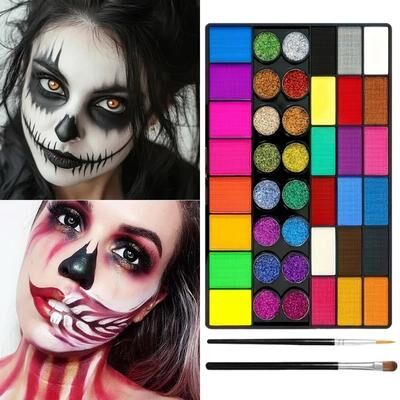
Uplift Essentials 42 Color Ultimate UV Neon Face Paint Set Fluorescent Glitter & Art Makeup Palette 42 Color Ultimate UV Neon Face Paint Set Fluorescent Glitter & Art Makeup PaletteCommand the spotlight with the most comprehensive UV Neon Face Paint Set on the market. This massive 42color professional palette is a highoctane blend of fluorescent neons, deep mattes, and dazzling glitter finishes. Engineered for highimpact art...70,97 $*Shipping: 0,00 $Secure redirect to the provider
-
Discount Dollar Deals Clear Acrylic Plate Stand, Countertop Display Holder, Tea Brick, Artwork Easel, Magazine Collection Rack mStylish and Functional Acrylic Stand Elevate your collection with the Clear Acrylic Plate Stand, perfect for displaying tea bricks, magazines, artwork, or plates. This elegant, modern display holder is made from durable acrylic, ensuring that your...36,97 $*Shipping: 0,00 $Secure redirect to the provider
-
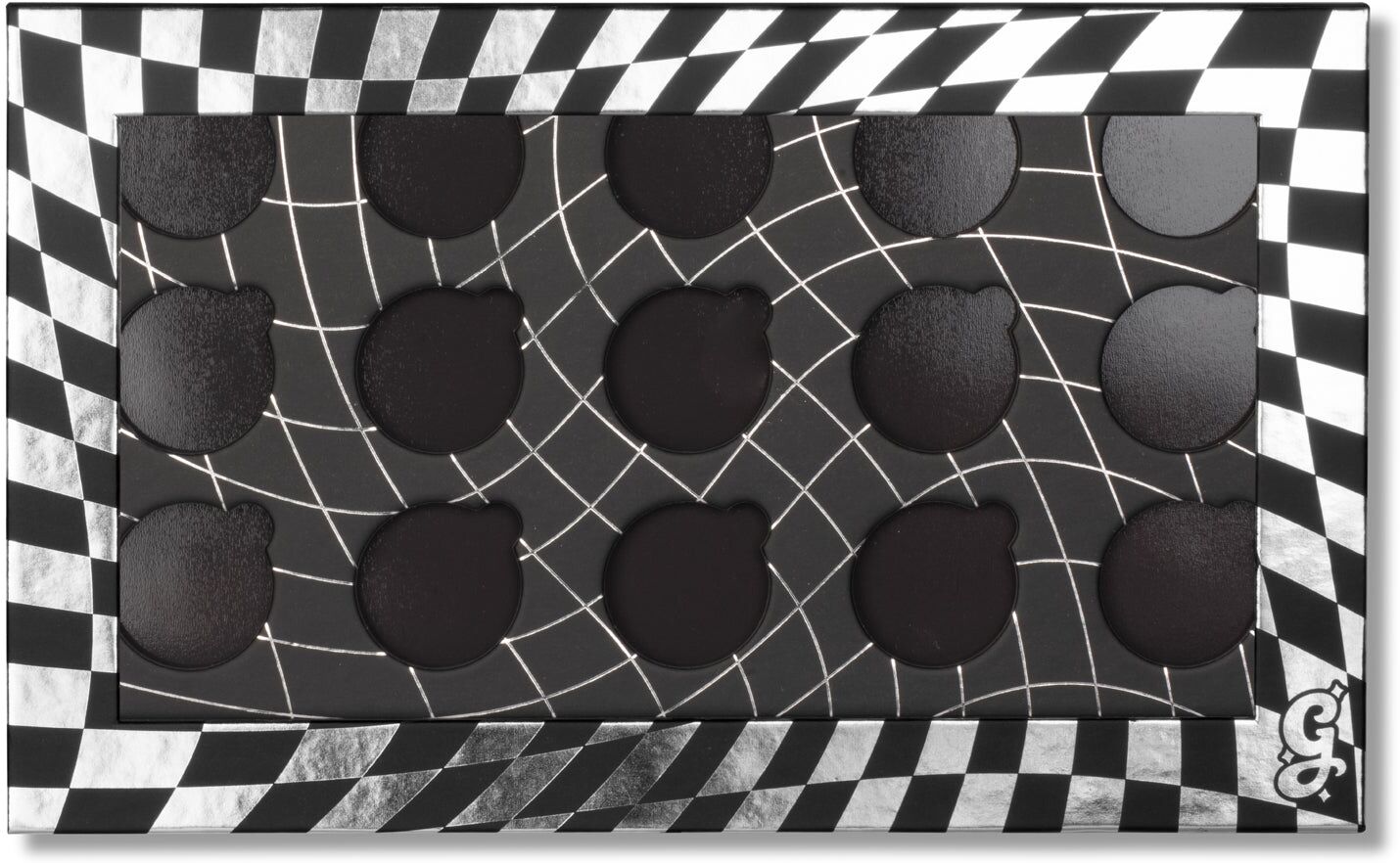
15 Pan Magnetic Palette with Brush Holder - Glisten CosmeticsGrab yourself a magnetic 15 pan palette with a brush holder!. x15 - 26mm x 5mm Circle Spaces. 1 x Brush Space. Please note: This is an empty Palette and does not include any Wet Liner Pans or Brushes21,60 $*Shipping: 9,00 $Secure redirect to the provider


-
How is the gel electrophoresis analysis carried out?
Gel electrophoresis analysis is carried out by first preparing a gel, typically made of agarose or polyacrylamide, and creating wells at one end of the gel. Then, the DNA or RNA samples are mixed with a loading dye and loaded into the wells. An electric current is applied to the gel, causing the negatively charged DNA or RNA molecules to move towards the positively charged end of the gel. The smaller molecules move faster and travel further through the gel, resulting in separation of the DNA or RNA fragments based on size. After the electrophoresis is complete, the gel is stained with a dye that binds to the DNA or RNA, allowing the separated bands to be visualized under UV light. **
-
How are gel electrophoresis and diseases related in biology?
Gel electrophoresis is a technique used in biology to separate and analyze DNA, RNA, or proteins based on their size and charge. This technique is commonly used in the field of molecular biology to study genetic diseases. By running DNA samples through gel electrophoresis, scientists can identify mutations or variations in the DNA that may be associated with certain genetic diseases. This helps in diagnosing genetic disorders and understanding the underlying molecular mechanisms of diseases. **
-
How is the banding pattern of gel electrophoresis evaluated?
The banding pattern of gel electrophoresis is evaluated by examining the position and intensity of the bands on the gel. Each band represents a different fragment of DNA or RNA based on its size, with smaller fragments migrating faster and appearing closer to the positive electrode. The intensity of the bands corresponds to the amount of DNA or RNA present in each fragment. By comparing the banding pattern of the sample with known standards or markers, researchers can determine the size and quantity of the nucleic acid fragments present in the sample. **
-
How do you read information when interpreting gel electrophoresis?
When interpreting gel electrophoresis, you read the information by looking at the bands that appear on the gel. Each band represents a different DNA fragment of a specific size. The distance the bands have traveled on the gel indicates the size of the DNA fragments, with smaller fragments traveling further than larger ones. By comparing the bands to a DNA ladder or standard, you can determine the size of the DNA fragments in your sample. **


How to interpret the banding pattern of gel electrophoresis?
The banding pattern of gel electrophoresis can be interpreted by looking at the position and intensity of the bands. The position of the bands indicates the size of the DNA fragments, with smaller fragments migrating further down the gel. The intensity of the bands corresponds to the amount of DNA present in each fragment. By comparing the banding pattern of the sample with a DNA ladder of known sizes, one can determine the size of the DNA fragments in the sample. **
What is the analysis of the result of electrophoresis?
The analysis of the result of electrophoresis involves examining the pattern of bands that have formed on the gel. This pattern is used to determine the size and/or charge of the molecules that were separated during the electrophoresis process. By comparing the bands to known standards or controls, scientists can identify the molecules present in the sample and draw conclusions about their characteristics. The intensity and position of the bands can also provide information about the quantity and purity of the molecules in the sample. **
Top-Angebote
Products related to Electrophoresis:
-
Uplift Essentials Rainbow Professional Face & Body Paint Tray Oil Soluble Artistry Palette Rainbow Professional Face & Body Paint Tray Oil Soluble Artistry PaletteBring your most vibrant visions to life with the Rainbow Colorful Face & Body Paint Tray. This professionalgrade oilsoluble palette is specifically designed for highimpact, detailed artistryfrom intricate butterfly makeup to bold festival designs....71,97 $*Shipping: 0,00 $Secure redirect to the provider
-
Unique 6 Inch Wide Wall Paint Brush Black Bristle Flat Tip Paint Brush 1 PcPackage includes 1 pack high-quality wall paint brush with a 6-inch wide flat tip, perfect for painting walls, decking, fences, and furniture. It features durable black bristles for use with latex and oil-based paints.25,49 $*Shipping: 0,00 $Secure redirect to the provider
-
Uplift Essentials 42 Color Ultimate UV Neon Face Paint Set Fluorescent Glitter & Art Makeup Palette 42 Color Ultimate UV Neon Face Paint Set Fluorescent Glitter & Art Makeup PaletteCommand the spotlight with the most comprehensive UV Neon Face Paint Set on the market. This massive 42color professional palette is a highoctane blend of fluorescent neons, deep mattes, and dazzling glitter finishes. Engineered for highimpact art...70,97 $*Shipping: 0,00 $Secure redirect to the provider
-
How is staining done in gel electrophoresis?
Staining in gel electrophoresis is typically done after the DNA or protein bands have been separated in the gel. The gel is first soaked in a staining solution that binds to the DNA or protein molecules, making them visible under UV light or by using a specialized imaging system. Common staining methods include using ethidium bromide for DNA or Coomassie blue for proteins. After staining, the gel is destained to remove excess dye and improve the contrast of the bands. **
-
How is the gel electrophoresis carried out?
Gel electrophoresis is carried out by first preparing a gel made of agarose or polyacrylamide, which is then placed in a buffer-filled chamber. DNA or RNA samples are mixed with a loading dye and loaded into wells in the gel. An electric current is then applied to the gel, causing the negatively charged DNA or RNA molecules to move through the gel towards the positive electrode. The smaller molecules move faster and travel farther through the gel, resulting in separation of the DNA or RNA fragments based on size. Finally, the gel is stained and visualized under UV light to observe the separated DNA or RNA bands. **
-
How is the gel electrophoresis analysis carried out?
Gel electrophoresis analysis is carried out by first preparing a gel, typically made of agarose or polyacrylamide, and creating wells at one end of the gel. Then, the DNA or RNA samples are mixed with a loading dye and loaded into the wells. An electric current is applied to the gel, causing the negatively charged DNA or RNA molecules to move towards the positively charged end of the gel. The smaller molecules move faster and travel further through the gel, resulting in separation of the DNA or RNA fragments based on size. After the electrophoresis is complete, the gel is stained with a dye that binds to the DNA or RNA, allowing the separated bands to be visualized under UV light. **
-
How are gel electrophoresis and diseases related in biology?
Gel electrophoresis is a technique used in biology to separate and analyze DNA, RNA, or proteins based on their size and charge. This technique is commonly used in the field of molecular biology to study genetic diseases. By running DNA samples through gel electrophoresis, scientists can identify mutations or variations in the DNA that may be associated with certain genetic diseases. This helps in diagnosing genetic disorders and understanding the underlying molecular mechanisms of diseases. **
Similar search terms for Electrophoresis
-
Discount Dollar Deals Clear Acrylic Plate Stand, Countertop Display Holder, Tea Brick, Artwork Easel, Magazine Collection Rack mStylish and Functional Acrylic Stand Elevate your collection with the Clear Acrylic Plate Stand, perfect for displaying tea bricks, magazines, artwork, or plates. This elegant, modern display holder is made from durable acrylic, ensuring that your...36,97 $*Shipping: 0,00 $Secure redirect to the provider
-
15 Pan Magnetic Palette with Brush Holder - Glisten CosmeticsGrab yourself a magnetic 15 pan palette with a brush holder!. x15 - 26mm x 5mm Circle Spaces. 1 x Brush Space. Please note: This is an empty Palette and does not include any Wet Liner Pans or Brushes21,60 $*Shipping: 9,00 $Secure redirect to the provider
-
Hemway Chalk Paint Brush Handmade Oval Chalk & Wax Brush - 1 PackAchieve a Flawless Finish with Our Oval Chalk Paint Brush Discover the perfect tool for your DIY and upcycling projects with our Oval Chalk Paint Brush. Specifically designed for versatile use, this brush effortlessly applies chalk paint or wax to a wide range of surfaces. As a result, you’ll achieve smooth and even coverage every time. Whether you're working on furniture, home décor, or intricate details, this brush ensures professional-quality results with ease. Description Premium Oval Chalk Paint Brush for Easy Application This Oval Chalk Paint Brush features a blend of 30% natural and 70% synthetic bristles, designed to maintain shape over time while maximising the amount of paint or wax the brush can hold. Furthermore, the oval-shaped head offers excellent coverage, making it ideal for both large surfaces and detailed work. In addition, the lightweight hardwood handle ensures perfect balance and control for smooth, streak-free application on furniture, cabinets, and more. Specifications: Chalk Paint Brush 2" / 51mm. Bristles: W 2" x L 2" (51mm x 51mm). Handle: L 5.3" (135mm). Brushed stainless ferrule for added durability. Features Key Features of Our Oval Chalk Paint Brush * High-Quality Bristles: 30% natural and 70% synthetic bristles provide excellent paint and wax application. * Comfortable Handle: The lightweight hardwood handle ensures precise control for detailed and large surface applications. * Easy to Clean: Simply rinse thoroughly and hang by the handle to dry, ensuring the brush is ready for future use. * Durable Ferrule: Brushed stainless ferrule for long-lasting performance. This durable design ensures the brush maintains its performance, project after project. How to Use Effective Techniques for Using Your Chalk Paint Brush For chalk paint: Apply your chosen chalk paint using the Oval Chalk Paint Brush. The oval shape is perfect for both broad strokes and intricate details. For the best results, we recommend using Hemway Chalk Paint or Hemway Chalk Based Furniture Paint. For wax finishing: Once your paint has dried, use the brush to apply wax or lacquer for a smooth, protective finish. Additionally, for optimal results, try Hemway Water-Based Eco Lacquer. After use, rinse the brush thoroughly with water for paint or the appropriate solvent for wax. Furthermore, hang it by the handle to dry, preserving the bristle shape and ensuring brush quality for future projects. Recyclable Sustainable Packaging for Eco-Friendly Crafting We prioritise sustainability, and our packaging reflects this commitment. Therefore, our materials are fully recyclable or made from recycled materials, including: * Delivery Boxes * Labels * Pulp Fittings We focus on lowering our environmental impact with sustainable packaging choices. Additional Information Important Notes About Our Oval Chalk Paint11,95 £*Shipping: 0,00 £Secure redirect to the provider
-
Plum Play Discovery Create and Paint Easel 116cm H X 144cm W X 50cm DLet imaginations bloom with this kid-friendly easel. Specifically designed for young artists to unleash their creativity, this easel provides the perfect canvas for outdoor artistry and imaginative expression in the garden. Plum125,55 £*Shipping: 0,00 £Secure redirect to the provider
-
How is the banding pattern of gel electrophoresis evaluated?
The banding pattern of gel electrophoresis is evaluated by examining the position and intensity of the bands on the gel. Each band represents a different fragment of DNA or RNA based on its size, with smaller fragments migrating faster and appearing closer to the positive electrode. The intensity of the bands corresponds to the amount of DNA or RNA present in each fragment. By comparing the banding pattern of the sample with known standards or markers, researchers can determine the size and quantity of the nucleic acid fragments present in the sample. **
-
How do you read information when interpreting gel electrophoresis?
When interpreting gel electrophoresis, you read the information by looking at the bands that appear on the gel. Each band represents a different DNA fragment of a specific size. The distance the bands have traveled on the gel indicates the size of the DNA fragments, with smaller fragments traveling further than larger ones. By comparing the bands to a DNA ladder or standard, you can determine the size of the DNA fragments in your sample. **
-
How to interpret the banding pattern of gel electrophoresis?
The banding pattern of gel electrophoresis can be interpreted by looking at the position and intensity of the bands. The position of the bands indicates the size of the DNA fragments, with smaller fragments migrating further down the gel. The intensity of the bands corresponds to the amount of DNA present in each fragment. By comparing the banding pattern of the sample with a DNA ladder of known sizes, one can determine the size of the DNA fragments in the sample. **
-
What is the analysis of the result of electrophoresis?
The analysis of the result of electrophoresis involves examining the pattern of bands that have formed on the gel. This pattern is used to determine the size and/or charge of the molecules that were separated during the electrophoresis process. By comparing the bands to known standards or controls, scientists can identify the molecules present in the sample and draw conclusions about their characteristics. The intensity and position of the bands can also provide information about the quantity and purity of the molecules in the sample. **
* All prices are inclusive of VAT and, if applicable, plus shipping costs. The offer information is based on the details provided by the respective shop and is updated through automated processes. Real-time updates do not occur, so deviations can occur in individual cases. ** Note: Parts of this content were created by AI.