Buy binks.eu ?
We are moving the project
binks.eu .
Are you interested in purchasing the domain
binks.eu ?
domain@kv-gmbh.de · 0541-91531010
Buy binks.eu ?
How can one give Developer 6 to natural hair?
To give volume to natural hair, one can try using a volumizing shampoo and conditioner to add fullness. Additionally, using a root-lifting spray or mousse while blow-drying can help create lift at the roots. Another tip is to avoid weighing down the hair with heavy products and to consider getting regular trims to maintain healthy, bouncy hair. **
Is the Ficus benjamina dead?
Without more information or context, it is difficult to determine if the Ficus benjamina is dead. Signs of a dead Ficus benjamina may include brittle, dry leaves, lack of new growth, and a trunk that is soft or hollow. It is recommended to check the plant for these signs and assess its overall health before concluding if it is dead or not. **
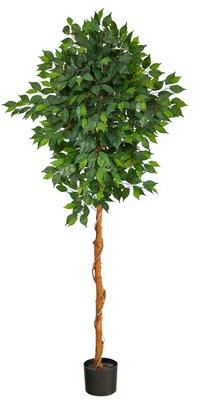
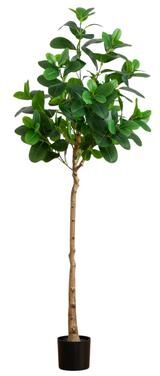
Similar search terms for Nearly-Natural-6-Ficus
Top-Angebote
Products related to Nearly-Natural-6-Ficus:
-
Nearly Natural "5.5' Palace Ficus Artificial Tree - 6"""Make an elegant statement in your living areas with this Ficus Artificial Tree. A symphony of variegated Ficus leaves ranging from light to dark green stem from thin, easy to bend branches, creating a full look.180,49 $*Shipping: 0,00 $Secure redirect to the provider
-
Nearly Natural 6' Autumn Ficus Artificial Fall TreeThe Ficus, a customer loved and approved faux tree, gets an autumn makeover. Inspired by the wonderful palette of the Smoky Mountains, vibrant faux variegated leaves contrast each other for a medley of warmth.117,02 $*Shipping: 0,00 $Secure redirect to the provider


-
Does the Ficus Ginseng move?
No, the Ficus Ginseng plant does not move. It is a stationary plant that grows in a fixed location. While it may change and grow over time, it does not have the ability to physically move from one place to another. **
-
What is a Ficus tree?
A Ficus tree is a type of tree belonging to the genus Ficus, which is part of the mulberry family. These trees are known for their large, glossy leaves and their ability to grow in a variety of environments, including tropical and subtropical regions. Ficus trees are often used as ornamental plants in gardens and landscapes, and some species are also grown as houseplants. They are known for their resilience and adaptability, making them a popular choice for both indoor and outdoor settings. **
-
What type of Ficus is this?
This is a Ficus lyrata, commonly known as the fiddle leaf fig. It is characterized by its large, violin-shaped leaves that have a glossy, dark green color. Ficus lyrata is a popular houseplant choice due to its striking appearance and relatively low maintenance requirements. It is native to western Africa and thrives in bright, indirect light. **
-
How to repot a Ficus Benjamina?
To repot a Ficus Benjamina, start by choosing a slightly larger pot with good drainage holes. Gently remove the plant from its current pot, being careful not to damage the roots. Loosen the roots and add fresh potting soil to the new pot, then place the plant in the center and fill in with more soil. Water the plant thoroughly and place it in a location with bright, indirect light. Allow the plant to adjust to its new pot for a few weeks before fertilizing. **
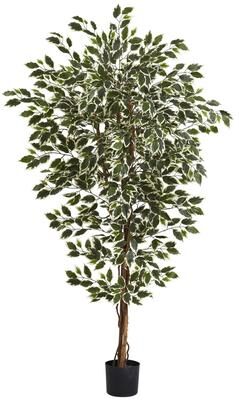
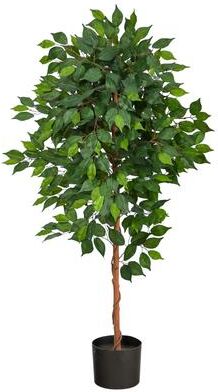
What type of ficus is this?
This is a Ficus lyrata, commonly known as a fiddle leaf fig. It is characterized by its large, violin-shaped leaves that have a glossy, dark green color. Ficus lyrata is a popular houseplant choice due to its striking appearance and relatively low maintenance requirements. It thrives in bright, indirect light and regular watering. **
What problem does my ficus have?
Based on the description provided, it seems like your ficus plant is suffering from a combination of issues. The yellowing leaves could be a sign of overwatering or root rot, while the brown spots and sticky residue may indicate a pest infestation, such as scale insects or spider mites. It is important to address these problems promptly by adjusting your watering routine, inspecting the plant for pests, and treating it with appropriate insecticidal soap or neem oil to help your ficus recover and thrive. **
Top-Angebote
Products related to Nearly-Natural-6-Ficus:
-
Nearly Natural 6' Artificial Audrey Ficus Tree - GreenRefresh your living areas with the artificial Audrey ficus tree. Inspired by nature, this is the cousin of the fiddle leaf fig, with its large, glossy leaves, descending from a thin trunk for a lush look.99,59 $*Shipping: 0,00 $Secure redirect to the provider
-
Nearly Natural "5.5' Palace Ficus Artificial Tree - 6"""Make an elegant statement in your living areas with this Ficus Artificial Tree. A symphony of variegated Ficus leaves ranging from light to dark green stem from thin, easy to bend branches, creating a full look.180,49 $*Shipping: 0,00 $Secure redirect to the provider
-
Nearly Natural 6' Autumn Ficus Artificial Fall TreeThe Ficus, a customer loved and approved faux tree, gets an autumn makeover. Inspired by the wonderful palette of the Smoky Mountains, vibrant faux variegated leaves contrast each other for a medley of warmth.117,02 $*Shipping: 0,00 $Secure redirect to the provider
-
How can one give Developer 6 to natural hair?
To give volume to natural hair, one can try using a volumizing shampoo and conditioner to add fullness. Additionally, using a root-lifting spray or mousse while blow-drying can help create lift at the roots. Another tip is to avoid weighing down the hair with heavy products and to consider getting regular trims to maintain healthy, bouncy hair. **
-
Is the Ficus benjamina dead?
Without more information or context, it is difficult to determine if the Ficus benjamina is dead. Signs of a dead Ficus benjamina may include brittle, dry leaves, lack of new growth, and a trunk that is soft or hollow. It is recommended to check the plant for these signs and assess its overall health before concluding if it is dead or not. **
-
Does the Ficus Ginseng move?
No, the Ficus Ginseng plant does not move. It is a stationary plant that grows in a fixed location. While it may change and grow over time, it does not have the ability to physically move from one place to another. **
-
What is a Ficus tree?
A Ficus tree is a type of tree belonging to the genus Ficus, which is part of the mulberry family. These trees are known for their large, glossy leaves and their ability to grow in a variety of environments, including tropical and subtropical regions. Ficus trees are often used as ornamental plants in gardens and landscapes, and some species are also grown as houseplants. They are known for their resilience and adaptability, making them a popular choice for both indoor and outdoor settings. **
Similar search terms for Nearly-Natural-6-Ficus
-
What type of Ficus is this?
This is a Ficus lyrata, commonly known as the fiddle leaf fig. It is characterized by its large, violin-shaped leaves that have a glossy, dark green color. Ficus lyrata is a popular houseplant choice due to its striking appearance and relatively low maintenance requirements. It is native to western Africa and thrives in bright, indirect light. **
-
How to repot a Ficus Benjamina?
To repot a Ficus Benjamina, start by choosing a slightly larger pot with good drainage holes. Gently remove the plant from its current pot, being careful not to damage the roots. Loosen the roots and add fresh potting soil to the new pot, then place the plant in the center and fill in with more soil. Water the plant thoroughly and place it in a location with bright, indirect light. Allow the plant to adjust to its new pot for a few weeks before fertilizing. **
-
What type of ficus is this?
This is a Ficus lyrata, commonly known as a fiddle leaf fig. It is characterized by its large, violin-shaped leaves that have a glossy, dark green color. Ficus lyrata is a popular houseplant choice due to its striking appearance and relatively low maintenance requirements. It thrives in bright, indirect light and regular watering. **
-
What problem does my ficus have?
Based on the description provided, it seems like your ficus plant is suffering from a combination of issues. The yellowing leaves could be a sign of overwatering or root rot, while the brown spots and sticky residue may indicate a pest infestation, such as scale insects or spider mites. It is important to address these problems promptly by adjusting your watering routine, inspecting the plant for pests, and treating it with appropriate insecticidal soap or neem oil to help your ficus recover and thrive. **
* All prices are inclusive of VAT and, if applicable, plus shipping costs. The offer information is based on the details provided by the respective shop and is updated through automated processes. Real-time updates do not occur, so deviations can occur in individual cases. ** Note: Parts of this content were created by AI.