Buy binks.eu ?
We are moving the project
binks.eu .
Are you interested in purchasing the domain
binks.eu ?
domain@kv-gmbh.de · 0541-91531010
Buy binks.eu ?
Can planetary orbits intersect?
No, planetary orbits cannot intersect. In our solar system, each planet orbits the sun in its own distinct path, and these paths do not cross or intersect. This is due to the gravitational forces between the planets and the sun, which keep their orbits separate and stable. If planetary orbits were to intersect, it would lead to chaotic and unstable interactions between the planets, which is not observed in our solar system. **
Why are there elliptical orbits?
Elliptical orbits occur due to the gravitational forces between celestial bodies. When an object is under the influence of a central force, such as gravity, its path will often take the shape of an ellipse. This is because the force of gravity is stronger at shorter distances, causing the object to move faster when closer to the center of mass and slower when farther away. As a result, the object follows a curved path that is elliptical in shape. **

Similar search terms for Orbits
Top-Angebote
Products related to Orbits:
-
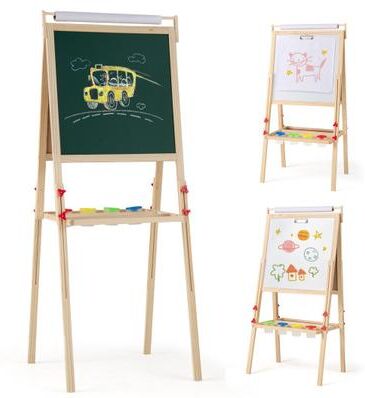
Discount Dollar Deals Clear Acrylic Plate Stand, Countertop Display Holder, Tea Brick, Artwork Easel, Magazine Collection Rack lStylish and Functional Acrylic Stand Elevate your collection with the Clear Acrylic Plate Stand, perfect for displaying tea bricks, magazines, artwork, or plates. This elegant, modern display holder is made from durable acrylic, ensuring that your...44,97 $*Shipping: 0,00 $Secure redirect to the provider
-
Unique 6 Inch Wide Wall Paint Brush Black Bristle Flat Tip Paint Brush 1 PcPackage includes 1 pack high-quality wall paint brush with a 6-inch wide flat tip, perfect for painting walls, decking, fences, and furniture. It features durable black bristles for use with latex and oil-based paints.25,49 $*Shipping: 0,00 $Secure redirect to the provider
-
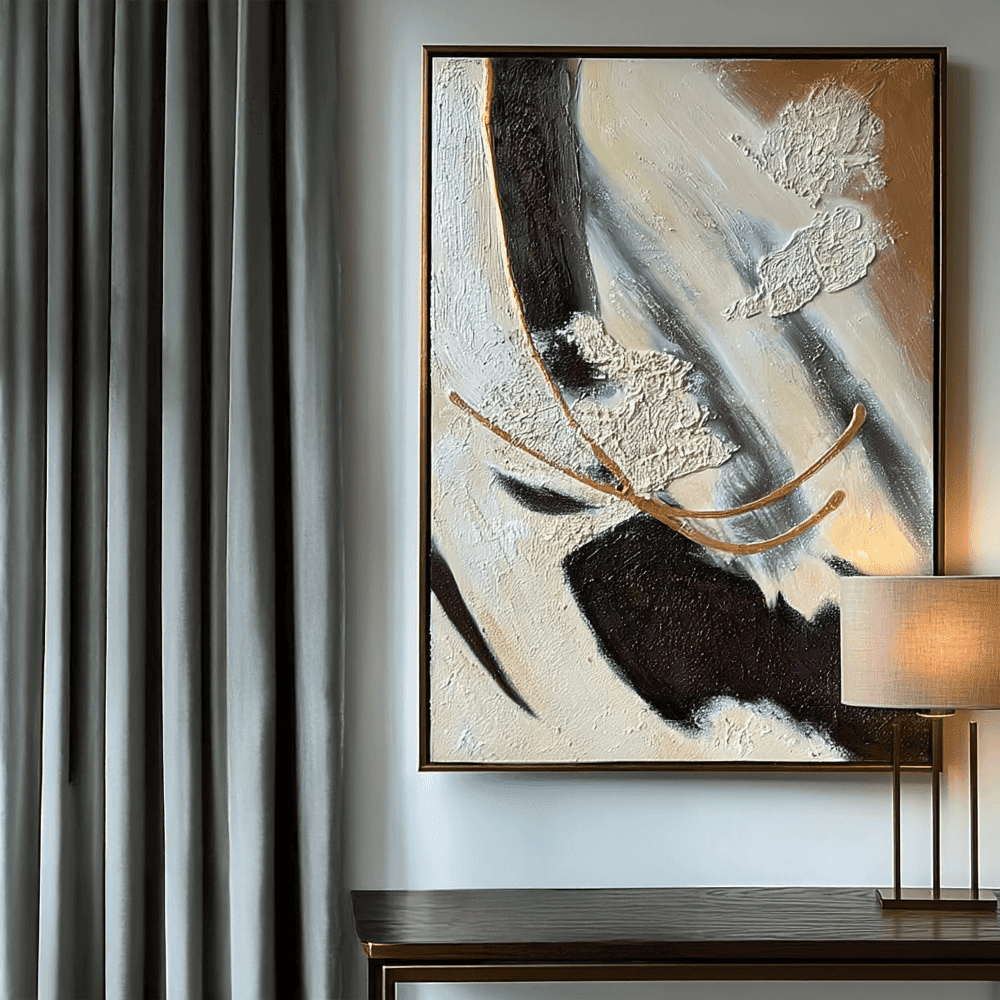
Verona Cream, Chocolate & Bronze Abstract Paint Brush Effect Textured Canvas Wall ArtTransform any room into a stylish haven with the Verona Cream, Chocolate & Bronze Abstract Paint Brush Effect Textured Canvas Wall Art. This captivating piece showcases a striking blend of cream, chocolate, and Bronze hues with a paintbrush effect, adding depth and dimension to your space. Perfect for contemporary interiors, this canvas art enhances your decor with its modern elegance. Dimensions: H90 x W60cm64,00 £*Shipping: 4,99 £Secure redirect to the provider
-
Verona Cream, Taupe & Gold Abstract Paint Brush Effect Textured Canvas Wall ArtTransform any room into a stylish haven with the Verona Cream, Taupe & Gold Abstract Paint Brush Effect Textured Canvas Wall Art. This captivating piece showcases a striking blend of cream, taupe, and gold hues with a paintbrush effect, adding depth and dimension to your space. Perfect for contemporary interiors, this canvas art enhances your decor with its modern elegance. Dimensions: H90 x W60cm64,00 £*Shipping: 4,99 £Secure redirect to the provider



-
On which orbits do planets move?
Planets move on elliptical orbits around the Sun. These orbits are not perfect circles but slightly elongated, with the Sun located at one of the foci of the ellipse. The gravitational pull of the Sun keeps the planets in their orbits, causing them to move in a predictable path around the Sun. **
-
Why are the planet orbits elliptical?
The planet orbits are elliptical because of the gravitational force exerted by the sun. According to Kepler's laws of planetary motion, planets move in elliptical orbits with the sun at one of the foci. This means that the gravitational force between the sun and the planet causes the planet to move in a curved path, resulting in an elliptical orbit. The shape of the orbit is determined by the balance between the planet's velocity and the gravitational force pulling it towards the sun. **
-
'Between the orbits of the planets.'
The asteroid belt is located between the orbits of Mars and Jupiter. It is a region in our solar system where millions of small rocky bodies, called asteroids, orbit the sun. The asteroid belt is thought to be the remnants of a failed planet formation, as the gravitational pull of Jupiter prevented the material in this region from coalescing into a single planet. The largest asteroid in the belt is Ceres, which is also classified as a dwarf planet. **
-
In which direction do the planetary orbits run?
The planetary orbits run counterclockwise around the Sun when viewed from above the Earth's North Pole. This means that the planets move in the same direction as the Sun's rotation. This counterclockwise motion is known as prograde motion. The planets all orbit the Sun in roughly the same plane, known as the ecliptic plane. **

Why do the planets move in elliptical orbits?
The planets move in elliptical orbits due to the gravitational force exerted by the Sun. According to Kepler's laws of planetary motion, the shape of the orbit is determined by the balance between the gravitational force pulling the planet towards the Sun and the planet's inertia trying to carry it away. This results in an elliptical path rather than a perfect circle. The eccentricity of the orbit determines how elongated or circular it is, with a value of 0 representing a perfect circle and higher values representing more elongated ellipses. **
Who discovered the elliptical orbits of the sun?
The discovery of the elliptical orbits of the sun is credited to the German astronomer Johannes Kepler. In the early 17th century, Kepler formulated his three laws of planetary motion, which described the elliptical paths that planets follow around the sun. These laws revolutionized our understanding of the solar system and laid the foundation for Isaac Newton's law of universal gravitation. **
Top-Angebote
Products related to Orbits:
-
Uplift Essentials Rainbow Professional Face & Body Paint Tray Oil Soluble Artistry Palette Rainbow Professional Face & Body Paint Tray Oil Soluble Artistry PaletteBring your most vibrant visions to life with the Rainbow Colorful Face & Body Paint Tray. This professionalgrade oilsoluble palette is specifically designed for highimpact, detailed artistryfrom intricate butterfly makeup to bold festival designs....71,97 $*Shipping: 0,00 $Secure redirect to the provider
-
Discount Dollar Deals Clear Acrylic Plate Stand, Countertop Display Holder, Tea Brick, Artwork Easel, Magazine Collection Rack lStylish and Functional Acrylic Stand Elevate your collection with the Clear Acrylic Plate Stand, perfect for displaying tea bricks, magazines, artwork, or plates. This elegant, modern display holder is made from durable acrylic, ensuring that your...44,97 $*Shipping: 0,00 $Secure redirect to the provider
-
Unique 6 Inch Wide Wall Paint Brush Black Bristle Flat Tip Paint Brush 1 PcPackage includes 1 pack high-quality wall paint brush with a 6-inch wide flat tip, perfect for painting walls, decking, fences, and furniture. It features durable black bristles for use with latex and oil-based paints.25,49 $*Shipping: 0,00 $Secure redirect to the provider
-
Can planetary orbits intersect?
No, planetary orbits cannot intersect. In our solar system, each planet orbits the sun in its own distinct path, and these paths do not cross or intersect. This is due to the gravitational forces between the planets and the sun, which keep their orbits separate and stable. If planetary orbits were to intersect, it would lead to chaotic and unstable interactions between the planets, which is not observed in our solar system. **
-
Why are there elliptical orbits?
Elliptical orbits occur due to the gravitational forces between celestial bodies. When an object is under the influence of a central force, such as gravity, its path will often take the shape of an ellipse. This is because the force of gravity is stronger at shorter distances, causing the object to move faster when closer to the center of mass and slower when farther away. As a result, the object follows a curved path that is elliptical in shape. **
-
On which orbits do planets move?
Planets move on elliptical orbits around the Sun. These orbits are not perfect circles but slightly elongated, with the Sun located at one of the foci of the ellipse. The gravitational pull of the Sun keeps the planets in their orbits, causing them to move in a predictable path around the Sun. **
-
Why are the planet orbits elliptical?
The planet orbits are elliptical because of the gravitational force exerted by the sun. According to Kepler's laws of planetary motion, planets move in elliptical orbits with the sun at one of the foci. This means that the gravitational force between the sun and the planet causes the planet to move in a curved path, resulting in an elliptical orbit. The shape of the orbit is determined by the balance between the planet's velocity and the gravitational force pulling it towards the sun. **
Similar search terms for Orbits
-
Verona Cream, Chocolate & Bronze Abstract Paint Brush Effect Textured Canvas Wall ArtTransform any room into a stylish haven with the Verona Cream, Chocolate & Bronze Abstract Paint Brush Effect Textured Canvas Wall Art. This captivating piece showcases a striking blend of cream, chocolate, and Bronze hues with a paintbrush effect, adding depth and dimension to your space. Perfect for contemporary interiors, this canvas art enhances your decor with its modern elegance. Dimensions: H90 x W60cm64,00 £*Shipping: 4,99 £Secure redirect to the provider
-
Verona Cream, Taupe & Gold Abstract Paint Brush Effect Textured Canvas Wall ArtTransform any room into a stylish haven with the Verona Cream, Taupe & Gold Abstract Paint Brush Effect Textured Canvas Wall Art. This captivating piece showcases a striking blend of cream, taupe, and gold hues with a paintbrush effect, adding depth and dimension to your space. Perfect for contemporary interiors, this canvas art enhances your decor with its modern elegance. Dimensions: H90 x W60cm64,00 £*Shipping: 4,99 £Secure redirect to the provider
-
Verona Black, Taupe & White Abstract Paint Brush Effect Textured Canvas Wall ArtTransform any room into a stylish haven with the Verona Black, Taupe & White Abstract Paint Brush Effect Textured Canvas Wall Art. This captivating piece showcases a striking blend of black, taupe, and white hues with a paintbrush effect, adding depth and dimension to your space. Perfect for contemporary interiors, this canvas art enhances your decor with its modern elegance. *Please note, each piece is handpainted so there may be very slight variations from our image. Dimensions: H90 x W60cm64,00 £*Shipping: 4,99 £Secure redirect to the provider
-
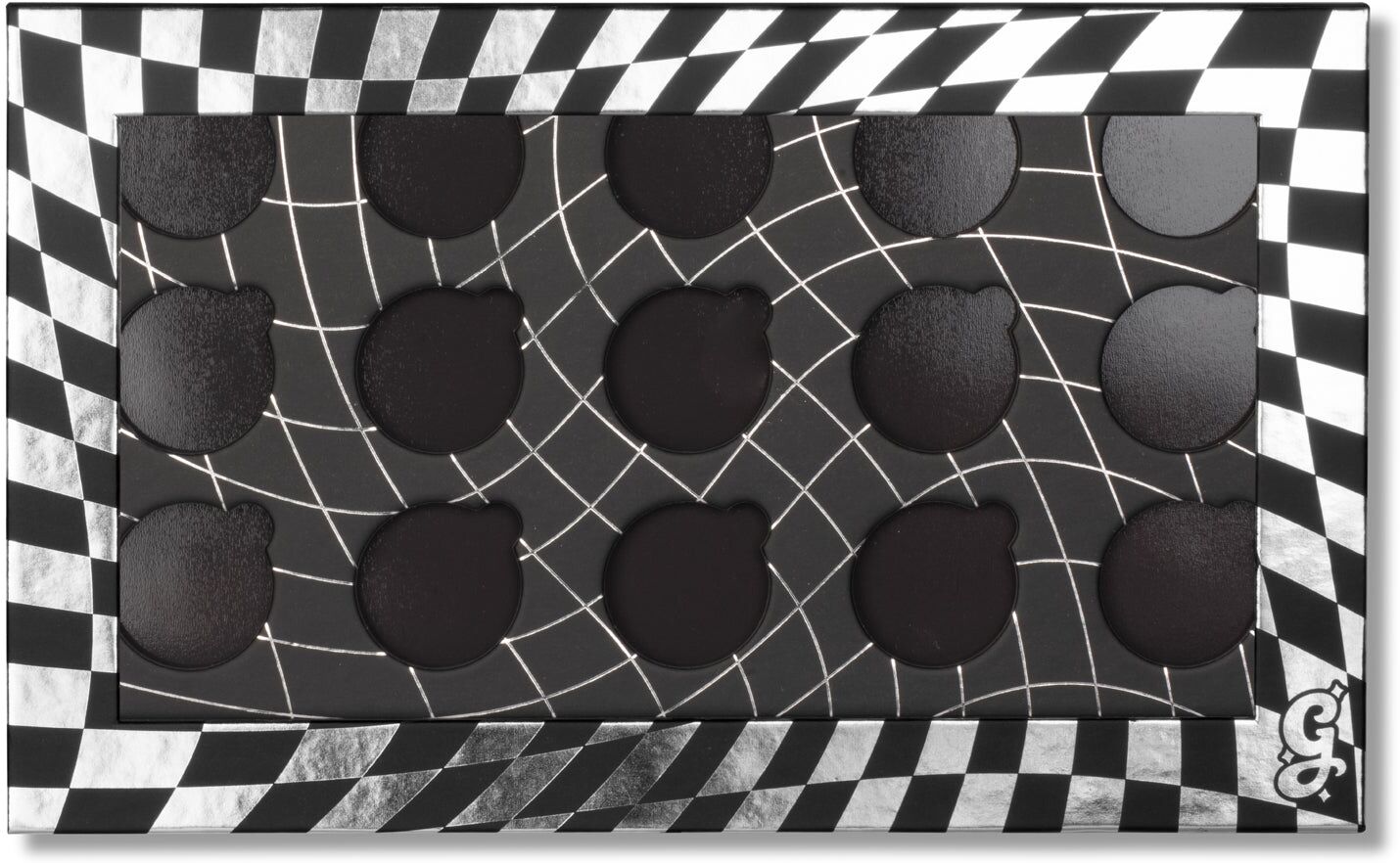
15 Pan Magnetic Palette with Brush Holder - Glisten CosmeticsGrab yourself a magnetic 15 pan palette with a brush holder!. x15 - 26mm x 5mm Circle Spaces. 1 x Brush Space. Please note: This is an empty Palette and does not include any Wet Liner Pans or Brushes21,60 $*Shipping: 9,00 $Secure redirect to the provider
-
'Between the orbits of the planets.'
The asteroid belt is located between the orbits of Mars and Jupiter. It is a region in our solar system where millions of small rocky bodies, called asteroids, orbit the sun. The asteroid belt is thought to be the remnants of a failed planet formation, as the gravitational pull of Jupiter prevented the material in this region from coalescing into a single planet. The largest asteroid in the belt is Ceres, which is also classified as a dwarf planet. **
-
In which direction do the planetary orbits run?
The planetary orbits run counterclockwise around the Sun when viewed from above the Earth's North Pole. This means that the planets move in the same direction as the Sun's rotation. This counterclockwise motion is known as prograde motion. The planets all orbit the Sun in roughly the same plane, known as the ecliptic plane. **
-
Why do the planets move in elliptical orbits?
The planets move in elliptical orbits due to the gravitational force exerted by the Sun. According to Kepler's laws of planetary motion, the shape of the orbit is determined by the balance between the gravitational force pulling the planet towards the Sun and the planet's inertia trying to carry it away. This results in an elliptical path rather than a perfect circle. The eccentricity of the orbit determines how elongated or circular it is, with a value of 0 representing a perfect circle and higher values representing more elongated ellipses. **
-
Who discovered the elliptical orbits of the sun?
The discovery of the elliptical orbits of the sun is credited to the German astronomer Johannes Kepler. In the early 17th century, Kepler formulated his three laws of planetary motion, which described the elliptical paths that planets follow around the sun. These laws revolutionized our understanding of the solar system and laid the foundation for Isaac Newton's law of universal gravitation. **
* All prices are inclusive of VAT and, if applicable, plus shipping costs. The offer information is based on the details provided by the respective shop and is updated through automated processes. Real-time updates do not occur, so deviations can occur in individual cases. ** Note: Parts of this content were created by AI.