Buy binks.eu ?
We are moving the project
binks.eu .
Are you interested in purchasing the domain
binks.eu ?
domain@kv-gmbh.de · 0541-91531010
Buy binks.eu ?
Is suspension polymerization a radical polymerization?
Yes, suspension polymerization is a type of radical polymerization. In suspension polymerization, monomers are dispersed in a liquid phase and polymerization is initiated by free radicals. These free radicals are typically generated through the use of initiators, such as peroxides, which break down to form reactive species that initiate the polymerization process. The formation of polymer chains through the addition of monomers to these radicals is a characteristic feature of radical polymerization. **
What is the difference between polymerization and radical polymerization?
Polymerization is the process of combining small molecules (monomers) to form a large molecule (polymer). Radical polymerization is a type of polymerization that involves the use of free radicals to initiate the polymerization reaction. The main difference between polymerization and radical polymerization is the mechanism of initiation. In polymerization, the reaction can be initiated by various methods such as heat, light, or a catalyst, while radical polymerization specifically involves the use of free radicals to start the reaction. Radical polymerization is often used to produce polymers with specific properties, such as high flexibility or toughness. **

Similar search terms for Polymerization
Top-Angebote
Products related to Polymerization:
-
Unique 6 Inch Wide Wall Paint Brush Black Bristle Flat Tip Paint Brush 1 PcPackage includes 1 pack high-quality wall paint brush with a 6-inch wide flat tip, perfect for painting walls, decking, fences, and furniture. It features durable black bristles for use with latex and oil-based paints.25,49 $*Shipping: 0,00 $Secure redirect to the provider
-
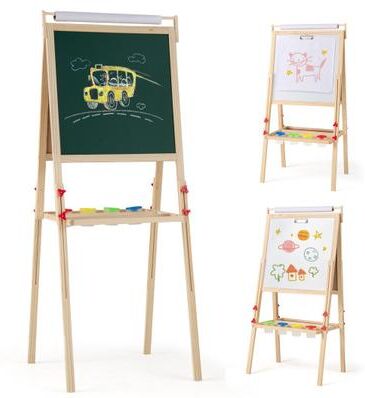
Discount Dollar Deals Clear Acrylic Plate Stand, Countertop Display Holder, Tea Brick, Artwork Easel, Magazine Collection Rack lStylish and Functional Acrylic Stand Elevate your collection with the Clear Acrylic Plate Stand, perfect for displaying tea bricks, magazines, artwork, or plates. This elegant, modern display holder is made from durable acrylic, ensuring that your...44,97 $*Shipping: 0,00 $Secure redirect to the provider
-
Fabstyles Printed Sheet Sets - Paint BrushStylish and Cozy: This flannel sheet set features four different patterns on a white background. We offer plenty of pattern options. Stay warm and toasty on the coldest nights of winter and sleep better than ever.54,99 $*Shipping: 0,00 $Secure redirect to the provider
-
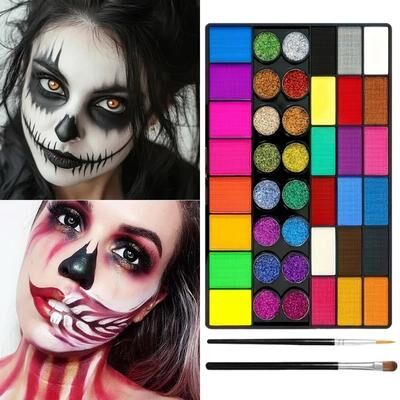
Uplift Essentials 42 Color Ultimate UV Neon Face Paint Set Fluorescent Glitter & Art Makeup Palette 42 Color Ultimate UV Neon Face Paint Set Fluorescent Glitter & Art Makeup PaletteCommand the spotlight with the most comprehensive UV Neon Face Paint Set on the market. This massive 42color professional palette is a highoctane blend of fluorescent neons, deep mattes, and dazzling glitter finishes. Engineered for highimpact art...70,97 $*Shipping: 0,00 $Secure redirect to the provider


-
What are branches in radical polymerization?
Branches in radical polymerization refer to side chains that extend from the main polymer chain. These side chains can result from the presence of branching agents or from chain transfer reactions during the polymerization process. Branches can affect the properties of the polymer, such as its mechanical strength, flexibility, and thermal properties. Controlling the branching in radical polymerization is important for tailoring the properties of the final polymer product. **
-
How does the polymerization of polystyrene occur?
Polystyrene polymerization occurs through a process called chain-growth polymerization. This process involves the repeated addition of monomer units (styrene molecules) to a growing polymer chain. It is initiated by a catalyst or initiator, which starts the reaction by breaking a chemical bond in the monomer. This creates a reactive site that can then bond with another monomer, leading to the formation of a polymer chain. As more and more monomers are added, the polymer chain grows in length, resulting in the formation of polystyrene. **
-
What is the difference between polymerization and polycondensation?
Polymerization is a process where monomers are chemically bonded together to form a polymer without the formation of any byproducts. On the other hand, polycondensation is a specific type of polymerization where the reaction involves the elimination of small molecules, such as water or alcohol, as byproducts. This means that in polycondensation, the polymer is formed through the condensation of two different functional groups, leading to the release of a small molecule. **
-
How can branching occur in a radical polymerization?
Branching can occur in radical polymerization when a polymer chain reacts with a monomer to form a new chain, resulting in the formation of a branch point. This can happen when a growing polymer chain reacts with a monomer that has multiple reactive sites, leading to the formation of a branch. Additionally, termination reactions can also lead to branching when two growing polymer chains react with each other, forming a branched structure. Branching can impact the properties of the polymer, such as its mechanical and thermal properties, and can be controlled by adjusting the reaction conditions and monomer structure. **

How do you summon Quintet Magician with Ultra Polymerization?
To summon Quintet Magician with Ultra Polymerization, you need to send 5 Fusion Materials from your hand, field, and/or Deck to the Graveyard. These Fusion Materials must be specifically listed on Quintet Magician's card. Once you have sent the required Fusion Materials to the Graveyard, you can activate Ultra Polymerization from your hand, Fusion Summoning Quintet Magician by banishing the Fusion Materials from your Graveyard. **
What are the main differences between polymerization and polycondensation?
Polymerization is a process in which monomers are linked together to form a polymer without the formation of any byproducts, while polycondensation is a process in which two different monomers react to form a polymer along with the release of small molecules like water or alcohol. In polymerization, the reaction typically involves the same type of monomers, leading to a linear or branched polymer structure, whereas polycondensation involves the reaction of different monomers, resulting in a more complex polymer structure. Additionally, polymerization is often a faster process compared to polycondensation, which can be slower due to the release of byproducts. **
Top-Angebote
Products related to Polymerization:
-
Uplift Essentials Rainbow Professional Face & Body Paint Tray Oil Soluble Artistry Palette Rainbow Professional Face & Body Paint Tray Oil Soluble Artistry PaletteBring your most vibrant visions to life with the Rainbow Colorful Face & Body Paint Tray. This professionalgrade oilsoluble palette is specifically designed for highimpact, detailed artistryfrom intricate butterfly makeup to bold festival designs....71,97 $*Shipping: 0,00 $Secure redirect to the provider
-
Unique 6 Inch Wide Wall Paint Brush Black Bristle Flat Tip Paint Brush 1 PcPackage includes 1 pack high-quality wall paint brush with a 6-inch wide flat tip, perfect for painting walls, decking, fences, and furniture. It features durable black bristles for use with latex and oil-based paints.25,49 $*Shipping: 0,00 $Secure redirect to the provider
-
Discount Dollar Deals Clear Acrylic Plate Stand, Countertop Display Holder, Tea Brick, Artwork Easel, Magazine Collection Rack lStylish and Functional Acrylic Stand Elevate your collection with the Clear Acrylic Plate Stand, perfect for displaying tea bricks, magazines, artwork, or plates. This elegant, modern display holder is made from durable acrylic, ensuring that your...44,97 $*Shipping: 0,00 $Secure redirect to the provider
-
Is suspension polymerization a radical polymerization?
Yes, suspension polymerization is a type of radical polymerization. In suspension polymerization, monomers are dispersed in a liquid phase and polymerization is initiated by free radicals. These free radicals are typically generated through the use of initiators, such as peroxides, which break down to form reactive species that initiate the polymerization process. The formation of polymer chains through the addition of monomers to these radicals is a characteristic feature of radical polymerization. **
-
What is the difference between polymerization and radical polymerization?
Polymerization is the process of combining small molecules (monomers) to form a large molecule (polymer). Radical polymerization is a type of polymerization that involves the use of free radicals to initiate the polymerization reaction. The main difference between polymerization and radical polymerization is the mechanism of initiation. In polymerization, the reaction can be initiated by various methods such as heat, light, or a catalyst, while radical polymerization specifically involves the use of free radicals to start the reaction. Radical polymerization is often used to produce polymers with specific properties, such as high flexibility or toughness. **
-
What are branches in radical polymerization?
Branches in radical polymerization refer to side chains that extend from the main polymer chain. These side chains can result from the presence of branching agents or from chain transfer reactions during the polymerization process. Branches can affect the properties of the polymer, such as its mechanical strength, flexibility, and thermal properties. Controlling the branching in radical polymerization is important for tailoring the properties of the final polymer product. **
-
How does the polymerization of polystyrene occur?
Polystyrene polymerization occurs through a process called chain-growth polymerization. This process involves the repeated addition of monomer units (styrene molecules) to a growing polymer chain. It is initiated by a catalyst or initiator, which starts the reaction by breaking a chemical bond in the monomer. This creates a reactive site that can then bond with another monomer, leading to the formation of a polymer chain. As more and more monomers are added, the polymer chain grows in length, resulting in the formation of polystyrene. **
Similar search terms for Polymerization
-
Fabstyles Printed Sheet Sets - Paint BrushStylish and Cozy: This flannel sheet set features four different patterns on a white background. We offer plenty of pattern options. Stay warm and toasty on the coldest nights of winter and sleep better than ever.54,99 $*Shipping: 0,00 $Secure redirect to the provider
-
Uplift Essentials 42 Color Ultimate UV Neon Face Paint Set Fluorescent Glitter & Art Makeup Palette 42 Color Ultimate UV Neon Face Paint Set Fluorescent Glitter & Art Makeup PaletteCommand the spotlight with the most comprehensive UV Neon Face Paint Set on the market. This massive 42color professional palette is a highoctane blend of fluorescent neons, deep mattes, and dazzling glitter finishes. Engineered for highimpact art...70,97 $*Shipping: 0,00 $Secure redirect to the provider
-
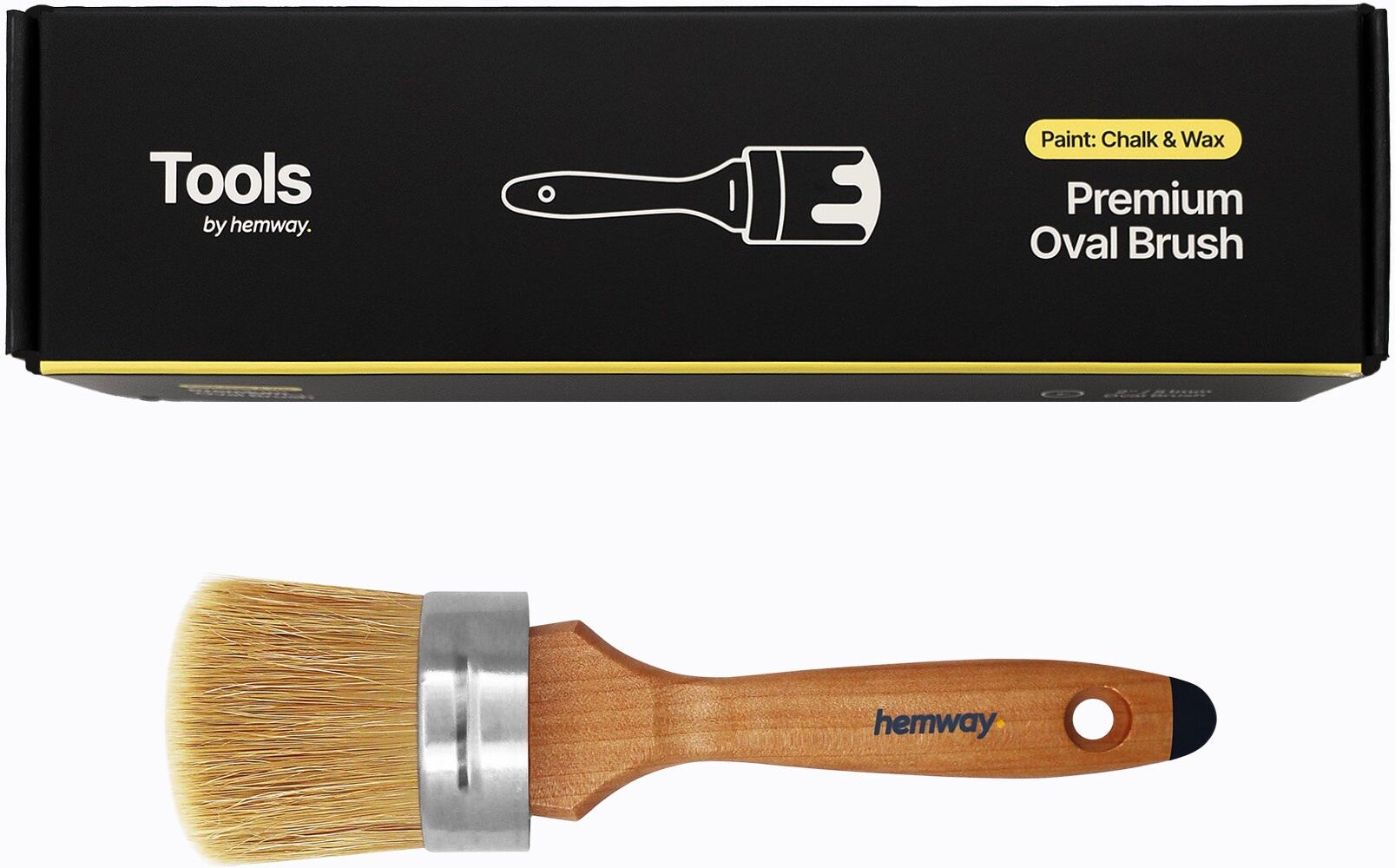
Hemway Chalk Paint Brush Handmade Oval Chalk & Wax Brush - 1 PackAchieve a Flawless Finish with Our Oval Chalk Paint Brush Discover the perfect tool for your DIY and upcycling projects with our Oval Chalk Paint Brush. Specifically designed for versatile use, this brush effortlessly applies chalk paint or wax to a wide range of surfaces. As a result, you’ll achieve smooth and even coverage every time. Whether you're working on furniture, home décor, or intricate details, this brush ensures professional-quality results with ease. Description Premium Oval Chalk Paint Brush for Easy Application This Oval Chalk Paint Brush features a blend of 30% natural and 70% synthetic bristles, designed to maintain shape over time while maximising the amount of paint or wax the brush can hold. Furthermore, the oval-shaped head offers excellent coverage, making it ideal for both large surfaces and detailed work. In addition, the lightweight hardwood handle ensures perfect balance and control for smooth, streak-free application on furniture, cabinets, and more. Specifications: Chalk Paint Brush 2" / 51mm. Bristles: W 2" x L 2" (51mm x 51mm). Handle: L 5.3" (135mm). Brushed stainless ferrule for added durability. Features Key Features of Our Oval Chalk Paint Brush * High-Quality Bristles: 30% natural and 70% synthetic bristles provide excellent paint and wax application. * Comfortable Handle: The lightweight hardwood handle ensures precise control for detailed and large surface applications. * Easy to Clean: Simply rinse thoroughly and hang by the handle to dry, ensuring the brush is ready for future use. * Durable Ferrule: Brushed stainless ferrule for long-lasting performance. This durable design ensures the brush maintains its performance, project after project. How to Use Effective Techniques for Using Your Chalk Paint Brush For chalk paint: Apply your chosen chalk paint using the Oval Chalk Paint Brush. The oval shape is perfect for both broad strokes and intricate details. For the best results, we recommend using Hemway Chalk Paint or Hemway Chalk Based Furniture Paint. For wax finishing: Once your paint has dried, use the brush to apply wax or lacquer for a smooth, protective finish. Additionally, for optimal results, try Hemway Water-Based Eco Lacquer. After use, rinse the brush thoroughly with water for paint or the appropriate solvent for wax. Furthermore, hang it by the handle to dry, preserving the bristle shape and ensuring brush quality for future projects. Recyclable Sustainable Packaging for Eco-Friendly Crafting We prioritise sustainability, and our packaging reflects this commitment. Therefore, our materials are fully recyclable or made from recycled materials, including: * Delivery Boxes * Labels * Pulp Fittings We focus on lowering our environmental impact with sustainable packaging choices. Additional Information Important Notes About Our Oval Chalk Paint11,95 £*Shipping: 0,00 £Secure redirect to the provider
-
Discount Dollar Deals Clear Acrylic Plate Stand, Countertop Display Holder, Tea Brick, Artwork Easel, Magazine Collection Rack sStylish and Functional Acrylic Stand Elevate your collection with the Clear Acrylic Plate Stand, perfect for displaying tea bricks, magazines, artwork, or plates. This elegant, modern display holder is made from durable acrylic, ensuring that your...28,97 $*Shipping: 0,00 $Secure redirect to the provider
-
What is the difference between polymerization and polycondensation?
Polymerization is a process where monomers are chemically bonded together to form a polymer without the formation of any byproducts. On the other hand, polycondensation is a specific type of polymerization where the reaction involves the elimination of small molecules, such as water or alcohol, as byproducts. This means that in polycondensation, the polymer is formed through the condensation of two different functional groups, leading to the release of a small molecule. **
-
How can branching occur in a radical polymerization?
Branching can occur in radical polymerization when a polymer chain reacts with a monomer to form a new chain, resulting in the formation of a branch point. This can happen when a growing polymer chain reacts with a monomer that has multiple reactive sites, leading to the formation of a branch. Additionally, termination reactions can also lead to branching when two growing polymer chains react with each other, forming a branched structure. Branching can impact the properties of the polymer, such as its mechanical and thermal properties, and can be controlled by adjusting the reaction conditions and monomer structure. **
-
How do you summon Quintet Magician with Ultra Polymerization?
To summon Quintet Magician with Ultra Polymerization, you need to send 5 Fusion Materials from your hand, field, and/or Deck to the Graveyard. These Fusion Materials must be specifically listed on Quintet Magician's card. Once you have sent the required Fusion Materials to the Graveyard, you can activate Ultra Polymerization from your hand, Fusion Summoning Quintet Magician by banishing the Fusion Materials from your Graveyard. **
-
What are the main differences between polymerization and polycondensation?
Polymerization is a process in which monomers are linked together to form a polymer without the formation of any byproducts, while polycondensation is a process in which two different monomers react to form a polymer along with the release of small molecules like water or alcohol. In polymerization, the reaction typically involves the same type of monomers, leading to a linear or branched polymer structure, whereas polycondensation involves the reaction of different monomers, resulting in a more complex polymer structure. Additionally, polymerization is often a faster process compared to polycondensation, which can be slower due to the release of byproducts. **
* All prices are inclusive of VAT and, if applicable, plus shipping costs. The offer information is based on the details provided by the respective shop and is updated through automated processes. Real-time updates do not occur, so deviations can occur in individual cases. ** Note: Parts of this content were created by AI.