Buy binks.eu ?
We are moving the project
binks.eu .
Are you interested in purchasing the domain
binks.eu ?
domain@kv-gmbh.de · 0541-91531010
Buy binks.eu ?
How are Latin subjunctive subordinate clauses still translated with the subjunctive?
Latin subjunctive subordinate clauses are still translated with the subjunctive in English to convey the same sense of uncertainty, possibility, or doubt. In English, the subjunctive mood is used to express hypothetical or unreal situations, wishes, recommendations, or demands. Therefore, when translating Latin subjunctive subordinate clauses, the English subjunctive is used to maintain the same mood and meaning of the original Latin sentence. **
Perhaps, subjunctive or indicative?
The choice between subjunctive or indicative depends on the context of the sentence. The subjunctive mood is used to express hypothetical or uncertain situations, wishes, recommendations, or doubts. On the other hand, the indicative mood is used for statements of fact or certainty. Therefore, if the sentence is expressing a possibility, doubt, or desire, the subjunctive mood would be more appropriate. **
Similar search terms for Subjunctive
Top-Angebote
Products related to Subjunctive:
-
Unique 6 Inch Wide Wall Paint Brush Black Bristle Flat Tip Paint Brush 1 PcPackage includes 1 pack high-quality wall paint brush with a 6-inch wide flat tip, perfect for painting walls, decking, fences, and furniture. It features durable black bristles for use with latex and oil-based paints.25,49 $*Shipping: 0,00 $Secure redirect to the provider
-
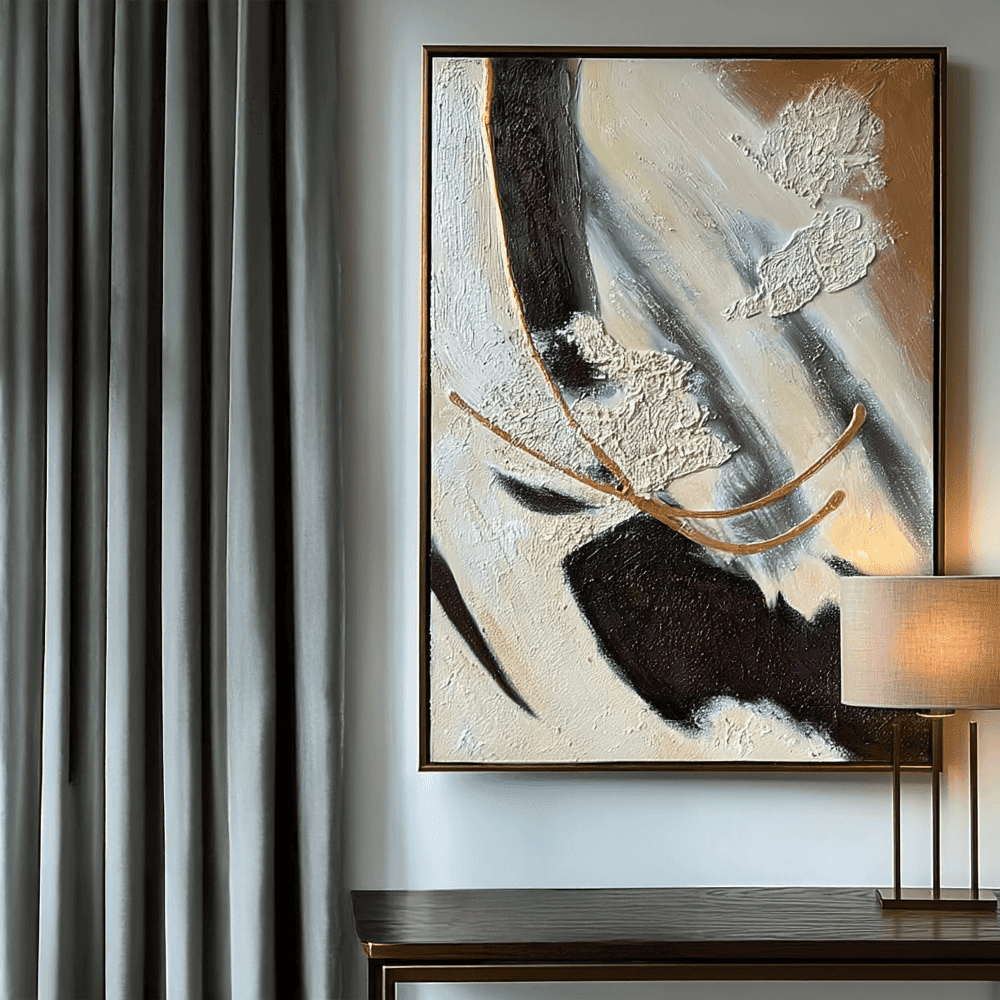
Verona Cream, Chocolate & Bronze Abstract Paint Brush Effect Textured Canvas Wall ArtTransform any room into a stylish haven with the Verona Cream, Chocolate & Bronze Abstract Paint Brush Effect Textured Canvas Wall Art. This captivating piece showcases a striking blend of cream, chocolate, and Bronze hues with a paintbrush effect, adding depth and dimension to your space. Perfect for contemporary interiors, this canvas art enhances your decor with its modern elegance. Dimensions: H90 x W60cm64,00 £*Shipping: 4,99 £Secure redirect to the provider
-
Verona Cream, Taupe & Gold Abstract Paint Brush Effect Textured Canvas Wall ArtTransform any room into a stylish haven with the Verona Cream, Taupe & Gold Abstract Paint Brush Effect Textured Canvas Wall Art. This captivating piece showcases a striking blend of cream, taupe, and gold hues with a paintbrush effect, adding depth and dimension to your space. Perfect for contemporary interiors, this canvas art enhances your decor with its modern elegance. Dimensions: H90 x W60cm64,00 £*Shipping: 4,99 £Secure redirect to the provider
-
Verona Black, Taupe & White Abstract Paint Brush Effect Textured Canvas Wall ArtTransform any room into a stylish haven with the Verona Black, Taupe & White Abstract Paint Brush Effect Textured Canvas Wall Art. This captivating piece showcases a striking blend of black, taupe, and white hues with a paintbrush effect, adding depth and dimension to your space. Perfect for contemporary interiors, this canvas art enhances your decor with its modern elegance. *Please note, each piece is handpainted so there may be very slight variations from our image. Dimensions: H90 x W60cm64,00 £*Shipping: 4,99 £Secure redirect to the provider



-
Maybe subjunctive or indicative?
The choice between subjunctive or indicative depends on the context of the sentence. The subjunctive mood is used to express doubt, uncertainty, desire, or hypothetical situations, while the indicative mood is used for statements of fact or certainty. To determine whether to use subjunctive or indicative, consider the verb's relationship to reality and whether it is expressing a fact or a possibility. **
-
Conditional, subjunctive or indicative?
The choice between conditional, subjunctive, or indicative mood depends on the context of the sentence. The conditional mood is used to express a hypothetical situation or a condition that is dependent on something else happening. The subjunctive mood is used to express wishes, recommendations, or possibilities. The indicative mood is used to state facts or ask questions. **
-
What is the use of the present subjunctive and the past subjunctive?
The present subjunctive is used to express desires, doubts, wishes, or hypothetical situations in the present or future. It is often used after certain verbs and conjunctions that indicate uncertainty or subjectivity. The past subjunctive, on the other hand, is used to express desires, doubts, wishes, or hypothetical situations in the past. It is often used in the same way as the present subjunctive, but in reference to past events or situations. Both subjunctive forms are used to convey uncertainty or subjectivity in a sentence. **
-
Are the subjunctive I and the subjunctive II present in all tenses?
No, the subjunctive I and subjunctive II are not present in all tenses. The subjunctive I is only present in the present tense, while the subjunctive II is present in the past tense. The subjunctive I is used to express wishes, suggestions, or hypothetical situations in the present, while the subjunctive II is used to express wishes, suggestions, or hypothetical situations in the past. Each tense has its own specific form of the subjunctive mood. **


'It is strange that + subjunctive'
It is strange that she should be so calm in such a chaotic situation. **
When is the subjunctive used?
The subjunctive is used to express desires, doubts, wishes, possibilities, recommendations, or hypothetical situations. It is often used in dependent clauses following certain verbs or expressions that convey these meanings. The subjunctive mood is used to show uncertainty or subjectivity in a sentence, rather than stating a fact or certainty. It is important to pay attention to the context and the verb that triggers the use of the subjunctive in order to use it correctly. **
Top-Angebote
Products related to Subjunctive:
-
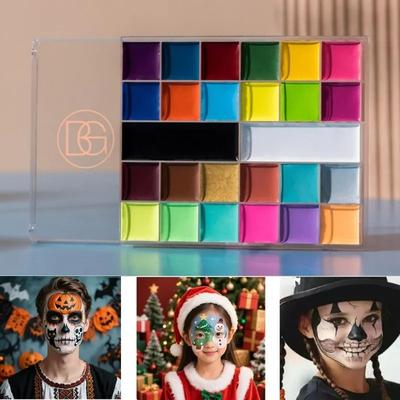
Uplift Essentials Rainbow Professional Face & Body Paint Tray Oil Soluble Artistry Palette Rainbow Professional Face & Body Paint Tray Oil Soluble Artistry PaletteBring your most vibrant visions to life with the Rainbow Colorful Face & Body Paint Tray. This professionalgrade oilsoluble palette is specifically designed for highimpact, detailed artistryfrom intricate butterfly makeup to bold festival designs....71,97 $*Shipping: 0,00 $Secure redirect to the provider
-
Unique 6 Inch Wide Wall Paint Brush Black Bristle Flat Tip Paint Brush 1 PcPackage includes 1 pack high-quality wall paint brush with a 6-inch wide flat tip, perfect for painting walls, decking, fences, and furniture. It features durable black bristles for use with latex and oil-based paints.25,49 $*Shipping: 0,00 $Secure redirect to the provider
-
Verona Cream, Chocolate & Bronze Abstract Paint Brush Effect Textured Canvas Wall ArtTransform any room into a stylish haven with the Verona Cream, Chocolate & Bronze Abstract Paint Brush Effect Textured Canvas Wall Art. This captivating piece showcases a striking blend of cream, chocolate, and Bronze hues with a paintbrush effect, adding depth and dimension to your space. Perfect for contemporary interiors, this canvas art enhances your decor with its modern elegance. Dimensions: H90 x W60cm64,00 £*Shipping: 4,99 £Secure redirect to the provider
-
How are Latin subjunctive subordinate clauses still translated with the subjunctive?
Latin subjunctive subordinate clauses are still translated with the subjunctive in English to convey the same sense of uncertainty, possibility, or doubt. In English, the subjunctive mood is used to express hypothetical or unreal situations, wishes, recommendations, or demands. Therefore, when translating Latin subjunctive subordinate clauses, the English subjunctive is used to maintain the same mood and meaning of the original Latin sentence. **
-
Perhaps, subjunctive or indicative?
The choice between subjunctive or indicative depends on the context of the sentence. The subjunctive mood is used to express hypothetical or uncertain situations, wishes, recommendations, or doubts. On the other hand, the indicative mood is used for statements of fact or certainty. Therefore, if the sentence is expressing a possibility, doubt, or desire, the subjunctive mood would be more appropriate. **
-
Maybe subjunctive or indicative?
The choice between subjunctive or indicative depends on the context of the sentence. The subjunctive mood is used to express doubt, uncertainty, desire, or hypothetical situations, while the indicative mood is used for statements of fact or certainty. To determine whether to use subjunctive or indicative, consider the verb's relationship to reality and whether it is expressing a fact or a possibility. **
-
Conditional, subjunctive or indicative?
The choice between conditional, subjunctive, or indicative mood depends on the context of the sentence. The conditional mood is used to express a hypothetical situation or a condition that is dependent on something else happening. The subjunctive mood is used to express wishes, recommendations, or possibilities. The indicative mood is used to state facts or ask questions. **
Similar search terms for Subjunctive
-
Verona Cream, Taupe & Gold Abstract Paint Brush Effect Textured Canvas Wall ArtTransform any room into a stylish haven with the Verona Cream, Taupe & Gold Abstract Paint Brush Effect Textured Canvas Wall Art. This captivating piece showcases a striking blend of cream, taupe, and gold hues with a paintbrush effect, adding depth and dimension to your space. Perfect for contemporary interiors, this canvas art enhances your decor with its modern elegance. Dimensions: H90 x W60cm64,00 £*Shipping: 4,99 £Secure redirect to the provider
-
Verona Black, Taupe & White Abstract Paint Brush Effect Textured Canvas Wall ArtTransform any room into a stylish haven with the Verona Black, Taupe & White Abstract Paint Brush Effect Textured Canvas Wall Art. This captivating piece showcases a striking blend of black, taupe, and white hues with a paintbrush effect, adding depth and dimension to your space. Perfect for contemporary interiors, this canvas art enhances your decor with its modern elegance. *Please note, each piece is handpainted so there may be very slight variations from our image. Dimensions: H90 x W60cm64,00 £*Shipping: 4,99 £Secure redirect to the provider
-
Discount Dollar Deals Clear Acrylic Plate Stand, Countertop Display Holder, Tea Brick, Artwork Easel, Magazine Collection Rack mStylish and Functional Acrylic Stand Elevate your collection with the Clear Acrylic Plate Stand, perfect for displaying tea bricks, magazines, artwork, or plates. This elegant, modern display holder is made from durable acrylic, ensuring that your...36,97 $*Shipping: 0,00 $Secure redirect to the provider
-
Fabstyles Printed Sheet Sets - Paint BrushStylish and Cozy: This flannel sheet set features four different patterns on a white background. We offer plenty of pattern options. Stay warm and toasty on the coldest nights of winter and sleep better than ever.54,99 $*Shipping: 0,00 $Secure redirect to the provider
-
What is the use of the present subjunctive and the past subjunctive?
The present subjunctive is used to express desires, doubts, wishes, or hypothetical situations in the present or future. It is often used after certain verbs and conjunctions that indicate uncertainty or subjectivity. The past subjunctive, on the other hand, is used to express desires, doubts, wishes, or hypothetical situations in the past. It is often used in the same way as the present subjunctive, but in reference to past events or situations. Both subjunctive forms are used to convey uncertainty or subjectivity in a sentence. **
-
Are the subjunctive I and the subjunctive II present in all tenses?
No, the subjunctive I and subjunctive II are not present in all tenses. The subjunctive I is only present in the present tense, while the subjunctive II is present in the past tense. The subjunctive I is used to express wishes, suggestions, or hypothetical situations in the present, while the subjunctive II is used to express wishes, suggestions, or hypothetical situations in the past. Each tense has its own specific form of the subjunctive mood. **
-
'It is strange that + subjunctive'
It is strange that she should be so calm in such a chaotic situation. **
-
When is the subjunctive used?
The subjunctive is used to express desires, doubts, wishes, possibilities, recommendations, or hypothetical situations. It is often used in dependent clauses following certain verbs or expressions that convey these meanings. The subjunctive mood is used to show uncertainty or subjectivity in a sentence, rather than stating a fact or certainty. It is important to pay attention to the context and the verb that triggers the use of the subjunctive in order to use it correctly. **
* All prices are inclusive of VAT and, if applicable, plus shipping costs. The offer information is based on the details provided by the respective shop and is updated through automated processes. Real-time updates do not occur, so deviations can occur in individual cases. ** Note: Parts of this content were created by AI.