Buy binks.eu ?
We are moving the project
binks.eu .
Are you interested in purchasing the domain
binks.eu ?
domain@kv-gmbh.de · 0541-91531010
Buy binks.eu ?
Symbiosis or Parasitism?
Symbiosis refers to a mutually beneficial relationship between two different species, where both organisms benefit from the interaction. On the other hand, parasitism is a type of relationship where one organism benefits at the expense of the other, causing harm to the host organism. To determine whether a relationship is symbiotic or parasitic, it is important to consider the impact of the interaction on both species involved. **
Are synergy and symbiosis synonyms?
Synergy and symbiosis are not synonyms. Synergy refers to the interaction or cooperation of two or more elements to produce a combined effect greater than the sum of their separate effects. Symbiosis, on the other hand, is a mutually beneficial relationship between two different organisms. While both concepts involve interaction and cooperation, they differ in the nature of the relationship and the entities involved. **


Similar search terms for Symbiosis
Top-Angebote
Products related to Symbiosis:
-
Uplift Essentials 42 Color Ultimate UV Neon Face Paint Set Fluorescent Glitter & Art Makeup Palette 42 Color Ultimate UV Neon Face Paint Set Fluorescent Glitter & Art Makeup PaletteCommand the spotlight with the most comprehensive UV Neon Face Paint Set on the market. This massive 42color professional palette is a highoctane blend of fluorescent neons, deep mattes, and dazzling glitter finishes. Engineered for highimpact art...70,97 $*Shipping: 0,00 $Secure redirect to the provider
-
Unique 6 Inch Wide Wall Paint Brush Black Bristle Flat Tip Paint Brush 1 PcPackage includes 1 pack high-quality wall paint brush with a 6-inch wide flat tip, perfect for painting walls, decking, fences, and furniture. It features durable black bristles for use with latex and oil-based paints.25,49 $*Shipping: 0,00 $Secure redirect to the provider
-
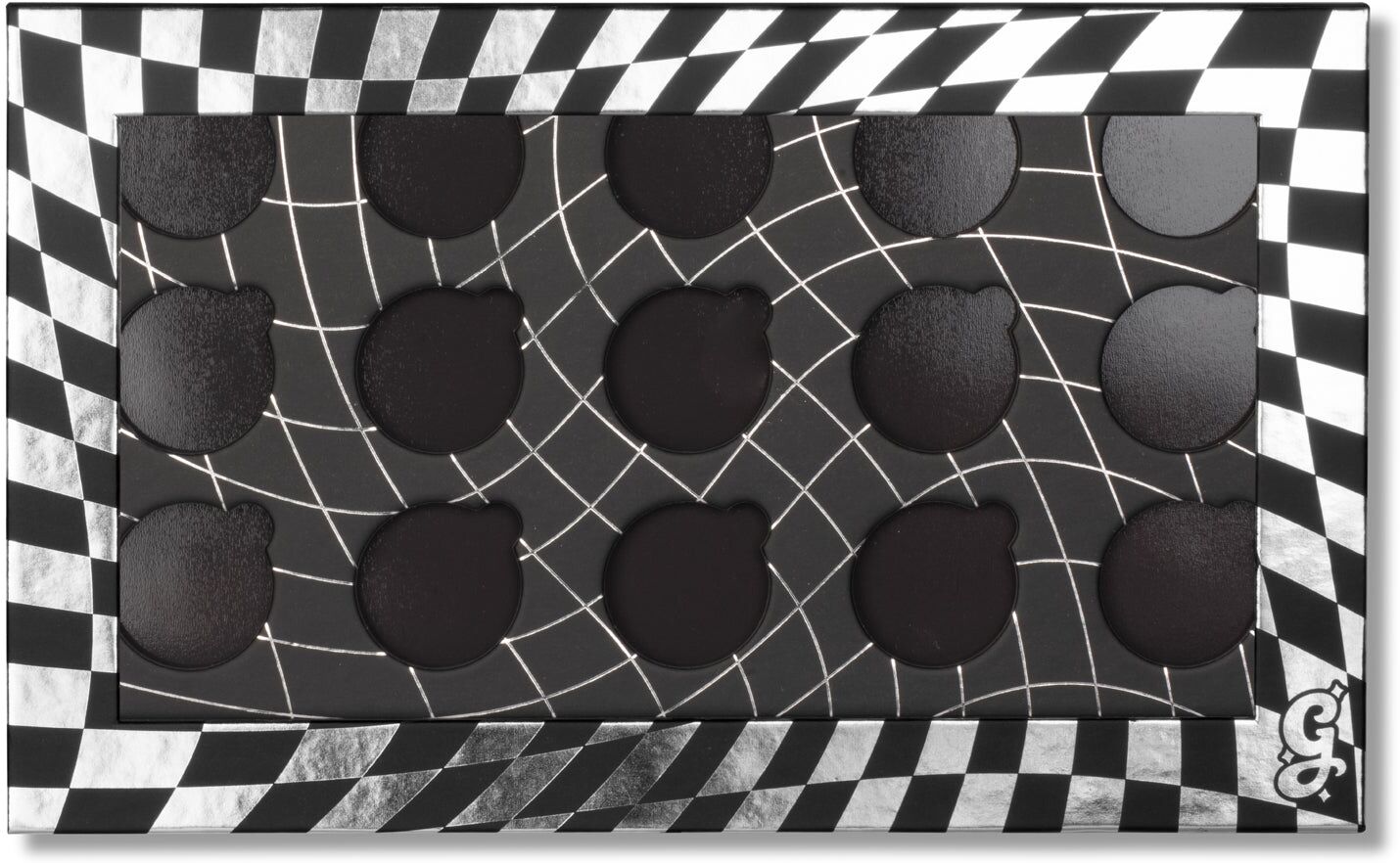
15 Pan Magnetic Palette with Brush Holder - Glisten CosmeticsGrab yourself a magnetic 15 pan palette with a brush holder!. x15 - 26mm x 5mm Circle Spaces. 1 x Brush Space. Please note: This is an empty Palette and does not include any Wet Liner Pans or Brushes21,60 $*Shipping: 9,00 $Secure redirect to the provider
-
Discount Dollar Deals Clear Acrylic Plate Stand, Countertop Display Holder, Tea Brick, Artwork Easel, Magazine Collection Rack lStylish and Functional Acrylic Stand Elevate your collection with the Clear Acrylic Plate Stand, perfect for displaying tea bricks, magazines, artwork, or plates. This elegant, modern display holder is made from durable acrylic, ensuring that your...44,97 $*Shipping: 0,00 $Secure redirect to the provider



-
What are examples of symbiosis?
Examples of symbiosis include mutualism, where both organisms benefit from the relationship, such as the relationship between bees and flowers. Another example is commensalism, where one organism benefits and the other is neither helped nor harmed, like the relationship between barnacles and whales. Parasitism is another form of symbiosis, where one organism benefits at the expense of the other, such as ticks feeding on the blood of mammals. **
-
What is a gfs symbiosis?
A gfs symbiosis is a mutually beneficial relationship between two or more organisms where one organism provides a necessary resource or service to the other in exchange for a different resource or service. This type of symbiosis is characterized by a close and long-term interaction between the organisms involved. The gfs symbiosis allows each organism to thrive and benefit from the partnership, ultimately leading to the success and survival of both parties. **
-
How would you explain symbiosis?
Symbiosis is a biological relationship between two different species that live in close proximity to each other. This relationship can be beneficial, harmful, or neutral for one or both of the species involved. There are three main types of symbiotic relationships: mutualism, where both species benefit; commensalism, where one species benefits and the other is unaffected; and parasitism, where one species benefits at the expense of the other. Symbiosis is a fundamental concept in ecology and is essential for understanding the interconnectedness of different organisms in an ecosystem. **
-
What is symbiosis in biology?
Symbiosis in biology refers to a close and long-term interaction between two different species. This interaction can be beneficial, harmful, or neutral for one or both of the species involved. There are three main types of symbiotic relationships: mutualism, where both species benefit; commensalism, where one species benefits and the other is unaffected; and parasitism, where one species benefits at the expense of the other. Symbiotic relationships are common in nature and can occur between a wide variety of organisms, including plants, animals, and microorganisms. **


What questions are there about symbiosis?
Some questions about symbiosis include: How do different species recognize and communicate with each other to establish a symbiotic relationship? What factors determine the success or failure of a symbiotic partnership? How do symbiotic relationships evolve over time, and what are the long-term effects on the species involved? Additionally, researchers may also explore the potential benefits and drawbacks of symbiosis in different ecosystems and how human activities impact symbiotic interactions. **
What are the consequences of symbiosis?
Symbiosis can have both positive and negative consequences. In mutualistic symbiosis, both organisms benefit from the relationship, such as in the case of pollination or the relationship between plants and mycorrhizal fungi. However, in parasitic symbiosis, one organism benefits at the expense of the other, leading to harm or even death of the host organism. Additionally, commensalistic symbiosis involves one organism benefiting while the other is unaffected. Overall, the consequences of symbiosis can range from mutualistic interactions that promote survival and reproduction to parasitic interactions that can be harmful or even deadly. **
Top-Angebote
Products related to Symbiosis:
-
Uplift Essentials Rainbow Professional Face & Body Paint Tray Oil Soluble Artistry Palette Rainbow Professional Face & Body Paint Tray Oil Soluble Artistry PaletteBring your most vibrant visions to life with the Rainbow Colorful Face & Body Paint Tray. This professionalgrade oilsoluble palette is specifically designed for highimpact, detailed artistryfrom intricate butterfly makeup to bold festival designs....71,97 $*Shipping: 0,00 $Secure redirect to the provider
-
Uplift Essentials 42 Color Ultimate UV Neon Face Paint Set Fluorescent Glitter & Art Makeup Palette 42 Color Ultimate UV Neon Face Paint Set Fluorescent Glitter & Art Makeup PaletteCommand the spotlight with the most comprehensive UV Neon Face Paint Set on the market. This massive 42color professional palette is a highoctane blend of fluorescent neons, deep mattes, and dazzling glitter finishes. Engineered for highimpact art...70,97 $*Shipping: 0,00 $Secure redirect to the provider
-
Unique 6 Inch Wide Wall Paint Brush Black Bristle Flat Tip Paint Brush 1 PcPackage includes 1 pack high-quality wall paint brush with a 6-inch wide flat tip, perfect for painting walls, decking, fences, and furniture. It features durable black bristles for use with latex and oil-based paints.25,49 $*Shipping: 0,00 $Secure redirect to the provider
-
Symbiosis or Parasitism?
Symbiosis refers to a mutually beneficial relationship between two different species, where both organisms benefit from the interaction. On the other hand, parasitism is a type of relationship where one organism benefits at the expense of the other, causing harm to the host organism. To determine whether a relationship is symbiotic or parasitic, it is important to consider the impact of the interaction on both species involved. **
-
Are synergy and symbiosis synonyms?
Synergy and symbiosis are not synonyms. Synergy refers to the interaction or cooperation of two or more elements to produce a combined effect greater than the sum of their separate effects. Symbiosis, on the other hand, is a mutually beneficial relationship between two different organisms. While both concepts involve interaction and cooperation, they differ in the nature of the relationship and the entities involved. **
-
What are examples of symbiosis?
Examples of symbiosis include mutualism, where both organisms benefit from the relationship, such as the relationship between bees and flowers. Another example is commensalism, where one organism benefits and the other is neither helped nor harmed, like the relationship between barnacles and whales. Parasitism is another form of symbiosis, where one organism benefits at the expense of the other, such as ticks feeding on the blood of mammals. **
-
What is a gfs symbiosis?
A gfs symbiosis is a mutually beneficial relationship between two or more organisms where one organism provides a necessary resource or service to the other in exchange for a different resource or service. This type of symbiosis is characterized by a close and long-term interaction between the organisms involved. The gfs symbiosis allows each organism to thrive and benefit from the partnership, ultimately leading to the success and survival of both parties. **
Similar search terms for Symbiosis
-
15 Pan Magnetic Palette with Brush Holder - Glisten CosmeticsGrab yourself a magnetic 15 pan palette with a brush holder!. x15 - 26mm x 5mm Circle Spaces. 1 x Brush Space. Please note: This is an empty Palette and does not include any Wet Liner Pans or Brushes21,60 $*Shipping: 9,00 $Secure redirect to the provider
-
Discount Dollar Deals Clear Acrylic Plate Stand, Countertop Display Holder, Tea Brick, Artwork Easel, Magazine Collection Rack lStylish and Functional Acrylic Stand Elevate your collection with the Clear Acrylic Plate Stand, perfect for displaying tea bricks, magazines, artwork, or plates. This elegant, modern display holder is made from durable acrylic, ensuring that your...44,97 $*Shipping: 0,00 $Secure redirect to the provider
-
Uplift Essentials 42 Color Professional Water Soluble Face & Body Paint Palette UV Neon, Glitter & Classic Makeup Set 42 Color Professional Water Soluble Face & Body Paint Palette UV Neon, Glitter & Classic Makeup SetUnleash your inner artist with the ultimate 42 colors water soluble face body painting set. This comprehensive palette is a masterclass in versatility, featuring a massive range of shades including vibrant UV neon glow, sparkling glitter, and...64,97 $*Shipping: 0,00 $Secure redirect to the provider
-
Plum Play Discovery Create and Paint Easel 116cm H X 144cm W X 50cm DLet imaginations bloom with this kid-friendly easel. Specifically designed for young artists to unleash their creativity, this easel provides the perfect canvas for outdoor artistry and imaginative expression in the garden. Plum125,55 £*Shipping: 0,00 £Secure redirect to the provider
-
How would you explain symbiosis?
Symbiosis is a biological relationship between two different species that live in close proximity to each other. This relationship can be beneficial, harmful, or neutral for one or both of the species involved. There are three main types of symbiotic relationships: mutualism, where both species benefit; commensalism, where one species benefits and the other is unaffected; and parasitism, where one species benefits at the expense of the other. Symbiosis is a fundamental concept in ecology and is essential for understanding the interconnectedness of different organisms in an ecosystem. **
-
What is symbiosis in biology?
Symbiosis in biology refers to a close and long-term interaction between two different species. This interaction can be beneficial, harmful, or neutral for one or both of the species involved. There are three main types of symbiotic relationships: mutualism, where both species benefit; commensalism, where one species benefits and the other is unaffected; and parasitism, where one species benefits at the expense of the other. Symbiotic relationships are common in nature and can occur between a wide variety of organisms, including plants, animals, and microorganisms. **
-
What questions are there about symbiosis?
Some questions about symbiosis include: How do different species recognize and communicate with each other to establish a symbiotic relationship? What factors determine the success or failure of a symbiotic partnership? How do symbiotic relationships evolve over time, and what are the long-term effects on the species involved? Additionally, researchers may also explore the potential benefits and drawbacks of symbiosis in different ecosystems and how human activities impact symbiotic interactions. **
-
What are the consequences of symbiosis?
Symbiosis can have both positive and negative consequences. In mutualistic symbiosis, both organisms benefit from the relationship, such as in the case of pollination or the relationship between plants and mycorrhizal fungi. However, in parasitic symbiosis, one organism benefits at the expense of the other, leading to harm or even death of the host organism. Additionally, commensalistic symbiosis involves one organism benefiting while the other is unaffected. Overall, the consequences of symbiosis can range from mutualistic interactions that promote survival and reproduction to parasitic interactions that can be harmful or even deadly. **
* All prices are inclusive of VAT and, if applicable, plus shipping costs. The offer information is based on the details provided by the respective shop and is updated through automated processes. Real-time updates do not occur, so deviations can occur in individual cases. ** Note: Parts of this content were created by AI.